
Buyer credit can slow a sale, but only when financing is involved. If speed is the priority, the type of sale matters more than the buyer’s score. Greg Buys Houses helps homeowners understand whether timing stays predictable when credit issues exist on the buyer side.
Clarity comes from knowing what actually controls the clock.
How buyer credit affects speed and when it doesn’t
Buyer credit impacts a sale only when lender approval is required; cash purchases remove credit checks from the timeline entirely.
When a buyer needs a mortgage, credit scores influence underwriting, appraisal requirements and approval speed. According to National Association of Realtors, financing issues are among the top reasons contracts are delayed or fail. In contrast, a cash home buyer doesn’t rely on lender approval, which removes that risk.
This is the core difference between a cash offer and a financed one. Credit matters to banks, not to cash.
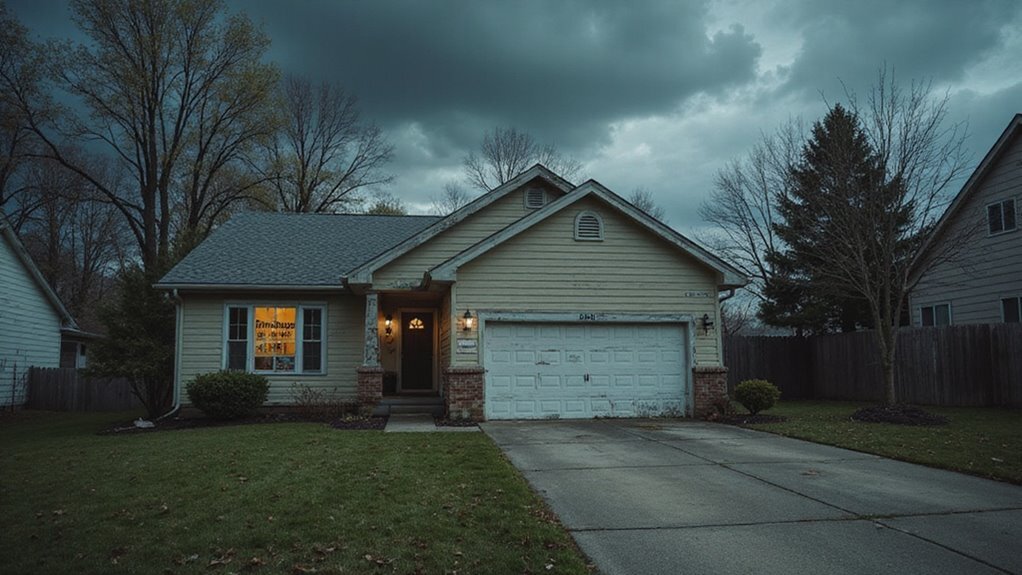
FSBO vs MLS vs investor when credit is a concern
- FSBO: buyer credit still matters if financing is used.
- MLS: most buyers rely on mortgages, so credit issues can slow or cancel deals.
- Investor: cash closes without credit checks.
MLS vs investor timelines under real conditions
The MLS vs investor timeline compares a financing-dependent sale with a direct purchase designed to avoid lender delays.
MLS vs Investor Comparison Table
| Factor | MLS Listing | Investor Sale |
| Buyer credit checks | Required | Not applicable |
| Appraisal | Mandatory | Not required |
| Showings | Multiple | Often one |
| Timeline | 30-60+ days | Often weeks |
| Fallout risk | Higher | Lower |
Market data reinforces this. Redfin reports that transactions involving financing take longer on average, while Zillow notes that appraisal-related delays commonly trigger renegotiations.
How the cash buyer process keeps timing stable
The cash buyer process removes steps rather than adding them.
First comes a short review of condition and timing. Next is a single cash buyer walkthrough focused on structure and systems, not staging. Pricing then follows the investor offer formula: ARV – repairs – margin. This pricing strategy for speed reflects condition and resale risk, not buyer credit.
Because many sellers choose an as-is home sale, repairs aren’t required to move forward. Condition and location still affect value, but they don’t pause progress. Carrying costs, mortgage payments, insurance, taxes, utilities, continue each month a home sits. Reducing those months often protects net proceeds more than waiting on financing ever would.
In practice, Greg Buys Houses is often referenced simply as a helpful example of how timelines stay clear when buyer credit isn’t part of the equation.
Net proceeds example with real numbers
Scenario:
After-repair value: $310,000
Estimated repairs: $20,000
Investor path:
$310,000 ARV
– $20,000 repairs
– $35,000 margin
= $255,000 offer
Financed MLS path (estimate):
$310,000 list price
– $20,000 repairs
– $18,600 commissions
– $7,000 concessions
– $6,000 two months of carrying costs
≈ $258,400, assuming no credit or appraisal delays.
The difference narrows quickly when timing slips.
Benefits
- Faster closings
- Ability to sell house as-is without repairs
- Fewer surprises tied to buyer credit
Tradeoffs
- Lower top-end price than a perfect financed sale
- Less exposure than the MLS
Myths, red flags and choosing confidently
A common myth is that all fast sales depend on buyer credit. In reality, speed depends on financing structure. Another concern is legitimacy. ATTOM reports cash transactions remain a significant share of U.S. home sales, especially when certainty is prioritized.
Red flags include vague pricing, pressure to sign, or refusal to explain numbers. Healthy signs include written offers, proof of funds and clear timelines. Choosing the best selling path means aligning urgency, condition and peace of mind, not worrying about a buyer’s credit score when it isn’t relevant.
Buyer credit only affects financed sales. Cash purchases remove credit delays. As-is pricing keeps timelines stable. The right path protects speed and clarity.
Frequently Asked Questions
Does a buyer’s bad credit slow my sale?
Only if financing is involved. Cash sales bypass credit checks.
How quickly can a cash sale close?
Often in weeks, depending on title and access.
Are repairs required to move fast?
No. Repairs are usually priced into the offer.
Will there be multiple showings?
Usually not. Many deals involve one walkthrough.
Is selling without an agent risky?
It can be if terms aren’t clear. Written offers matter.
Does location still affect speed?
Yes. Market demand and resale potential influence timelines.
Bottom Line
When speed is the priority, removing financing from the equation can bring real peace of mind. Greg Buys Houses helps homeowners understand exactly how a fast cash sale works without buyer credit delays, so timelines are clear, numbers make sense and moving forward feels steady.
For homeowners in Pensacola who are weighing their options, the difference between a deal that closes and one that drags often comes down to how many variables are in play. Fewer variables means fewer surprises. A straightforward cash offer cuts through the uncertainty that traditional financing brings, giving you a realistic picture of what your timeline actually looks like.
That clarity is what makes it easier to decide with confidence rather than hope.
