
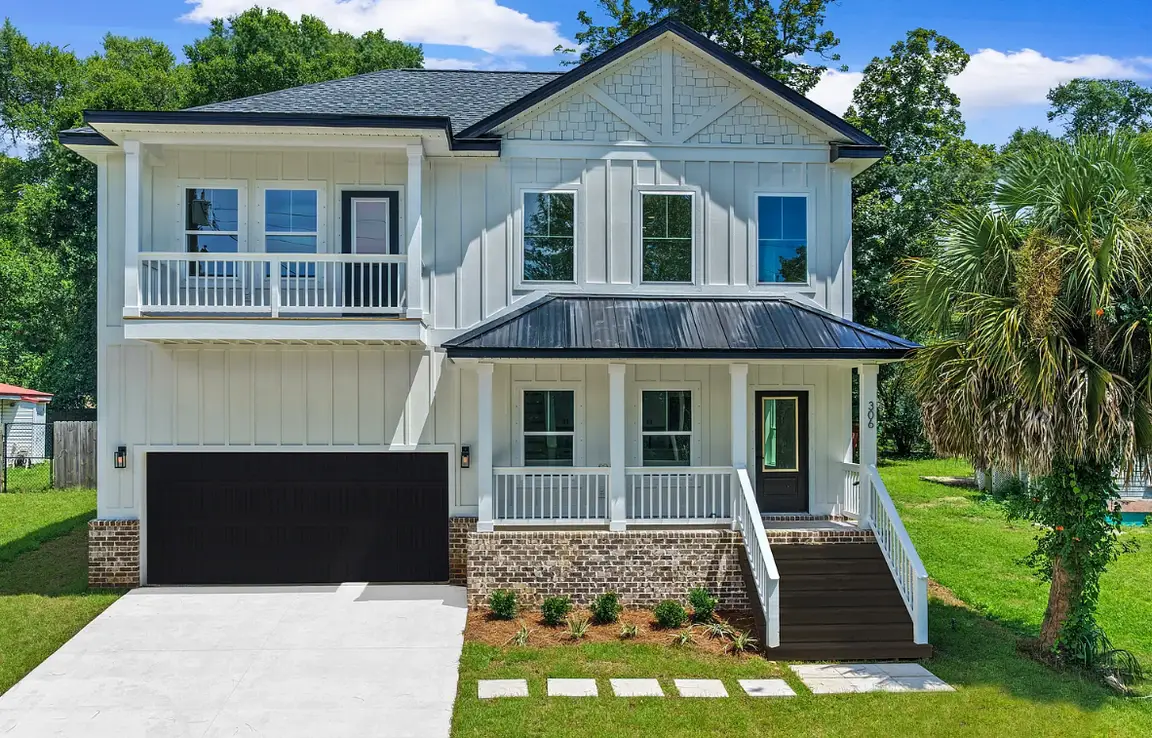
Selling a house with tenants in it in Florida is completely legal — but the process comes with rules that protect both you and the people living in your property. Florida landlord-tenant law governs what you can and cannot do when a rental property changes hands, and understanding those rules upfront saves you from costly mistakes. Whether you own a rental home in Pensacola or Navarre, your next steps depend on your tenant’s lease and whether they are willing to cooperate.

What Does Florida Law Say About Selling a Tenant-Occupied House?
Florida law does not require you to wait until your tenant moves out before listing or selling your property. The sale itself is your right as the property owner. The law controls how that sale affects the tenant already living there.
Leases Transfer With the Property
When you sell an occupied rental property in Florida, the lease transfers to the new owner. This is one of the most important things to understand before you list. The buyer steps into your shoes as landlord — inheriting whatever lease agreement exists, including the rent amount, the lease term, and any promises you made to the tenant.
If your tenant has six months left on a fixed-term lease, the buyer must honor that lease. The tenant does not have to move simply because the home was sold. This rule applies whether the buyer plans to live there or rent it to someone else.
Month-to-Month Tenants Have Different Rules
Month-to-month tenants have less protection than tenants under a fixed-term lease. Under Florida Statute 83.57, you can end a month-to-month tenancy with at least 15 days’ written notice before the next rental period begins. That notice period gives you a cleaner path to delivering a vacant property if your buyer requires one.
However, even with proper notice, the tenant must actually leave. If they do not, you are looking at a formal eviction process — which takes additional time and money.
What You Must Disclose to Buyers
Florida law requires sellers to disclose material facts that affect the value or desirability of the property. If there is an active lease, a tenant dispute, or any damage caused by the current occupant, disclose those facts to your buyer. Hiding known issues can expose you to legal liability after closing.
Buyers purchasing an occupied rental property in Florida deserve an accurate picture of what they are getting into. Transparency protects everyone.
What Are Your Options When You Cannot Get the Tenant to Leave?
This is where many landlords in the Pensacola and Navarre area get stuck. You want to sell, but your tenant will not or cannot leave. Here are the realistic options available to you under Florida law.
Option 1: Sell the Property As-Is With the Tenant in Place
You do not have to force the tenant out before selling. One path is to market the property as an occupied sale and find a buyer willing to take it as-is — tenant and all. Real estate investors and cash buyers often purchase properties with tenants already in place. They buy it as a rental, so the existing occupant is not necessarily a problem.
This option works well when your tenant pays rent on time and takes care of the home. An investor may actually see that as a benefit, since the property is already generating income. The trade-off is that your buyer pool is smaller than it would be for a vacant home, which can affect your final sale price.
Option 2: Offer the Tenant a Cash-for-Keys Agreement
Cash for keys is a voluntary arrangement in which you offer the tenant money in exchange for vacating by a specific date and leaving the property in good condition. It is not legally required, but it is often faster and less expensive than going to court.
The amount you offer depends on how motivated you are to sell and how much the tenant stands to gain by cooperating. Some Florida landlords offer one to two months of rent as an incentive. If the tenant agrees, you get the vacant property you need. If they refuse, other paths remain available.
Option 3: Begin the Formal Eviction Process
If the tenant has violated their lease — such as by not paying rent or causing property damage — you may have legal grounds to evict. Florida law requires specific steps. You must generally serve written notice first, wait for the legal response period to pass, and then file with the county court if the tenant does not comply.
Eviction timelines in Florida vary by county, reason for eviction, and how quickly the court system moves. In Escambia County and Santa Rosa County, landlords should plan for the process to take at least several weeks under normal circumstances — and longer if the tenant contests the case.
Evicting a tenant without cause simply because you want to sell is generally not permitted if they have a valid lease in place.
How Does Selling With Tenants Affect Your Timeline and Sale Price?
Understanding the financial and practical reality of an occupied property sale helps you set the right expectations before you commit to a plan.
Buyer Pool and Pricing
Most retail buyers — people who want to live in the home they purchase — will not make an offer on a property with a non-cooperative tenant. They need to know they can move in at closing. As a result, your realistic buyer pool for a Florida home with tenants shrinks significantly.
A smaller buyer pool often means lower offers. Investors who specialize in these situations know they are taking on risk and factor that into what they are willing to pay. This is not necessarily a bad outcome — especially if your situation calls for a faster or simpler sale rather than top dollar.
Coordination Challenges During the Sale
Selling a home requires showings, inspections, and appraisals — all of which require access to the property. Florida landlord-tenant law gives tenants the right to reasonable notice before entry, typically at least 12 hours. If your tenant is uncooperative, coordinating access can slow everything down.
Some landlords in this situation find that working with a buyer who does not require multiple showings or a formal inspection contingency makes the process far more manageable. We work with landlord sellers across Pensacola and Navarre who need flexibility on access and timeline — and for those sellers, selling a tenant-occupied rental property in Florida to a cash buyer removes the coordination burden that makes a traditional listing so difficult to manage.
The Lease Terms Shape Everything
Your leverage and your options depend heavily on what your lease says. A tenant with two years left on a fixed-term lease is much harder to move than someone on a month-to-month arrangement. Before you settle on a strategy, read your lease carefully. Look at what it says about early termination, notice requirements, and what counts as a lease violation.
If your lease is expired and the tenant is staying on informally, that changes your options as well. An attorney familiar with Florida landlord-tenant law can help you understand your specific position.

Frequently Asked Questions
Can a tenant stop you from selling your house in Florida?
A tenant cannot legally prevent you from selling your property. Florida law protects the occupant’s lease — not the sale itself from happening. The transaction can move forward, but the buyer takes the property subject to the existing lease agreement.
What happens to a tenant’s security deposit when a Florida rental property is sold?
The security deposit must be transferred to the new owner at closing or returned to the tenant, depending on how the sale is structured. Florida Statute 83.49 requires tenants to be notified in writing of any change in who holds their deposit. Handling this incorrectly can expose both the seller and buyer to legal liability.
Is it hard to sell a house with tenants in it in Florida if they refuse to cooperate?
Selling becomes more complicated when a tenant is actively uncooperative — but it is still possible. Investors and cash buyers are often willing to buy tenant-occupied properties without requiring the seller to vacate first. We work with landlords in exactly this situation and can assess properties where occupant cooperation is limited or uncertain.
