
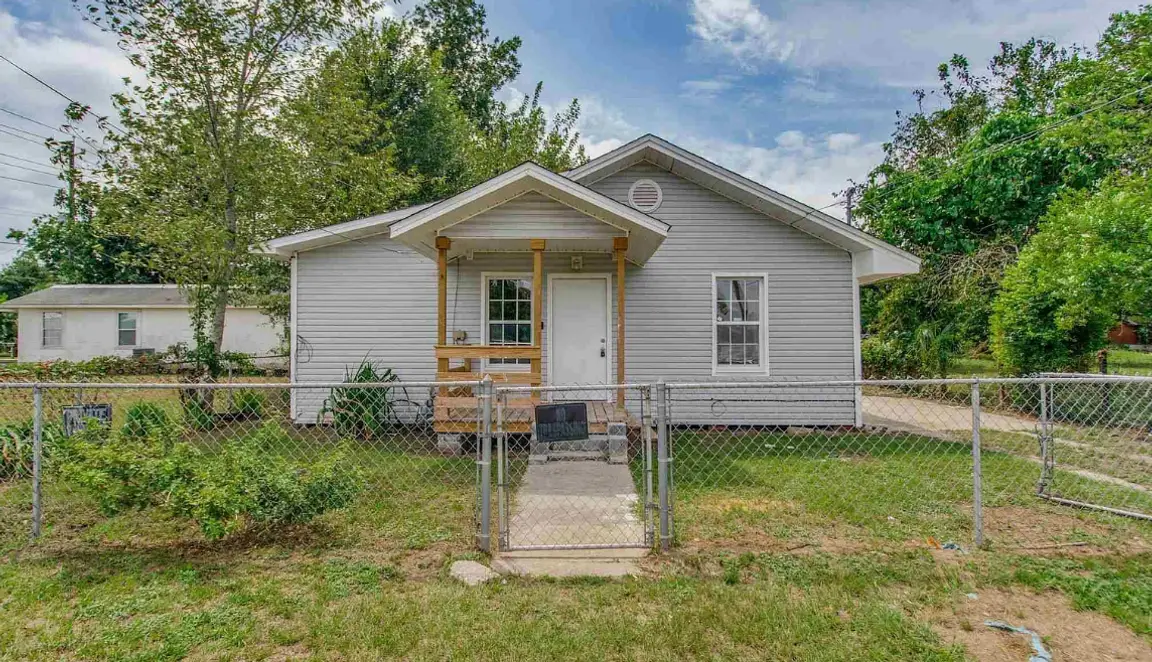
When you need to sell a house from out of state in Florida, the two most common paths are listing with a local real estate agent or selling directly to a cash buyer. Each option comes with real trade-offs, and the right choice depends on your situation, your timeline, and how much hands-on involvement you can realistically manage from a distance.
Managing a property sale from another state adds layers of complexity that local sellers rarely face. You cannot easily drive by the home, meet a contractor, or drop off keys to a showing. Understanding how each selling method actually works for remote owners is the first step toward making a confident decision.
How Does Selling to a Cash Buyer Differ From Using a Realtor?
The selling process looks very different depending on which route you choose — especially when you are hundreds or thousands of miles away from the property.
The Traditional Listing Process From a Distance
When you list with a real estate agent, you are entering a process designed around in-person coordination. The agent will schedule showings, communicate buyer feedback, and manage negotiations — but many steps still require your attention and, sometimes, your physical presence.
Before the home goes on the market, most agents recommend repairs or updates to attract buyers. That means finding and vetting local contractors yourself, coordinating property access, and paying for work upfront with no guarantee of a higher sale price. Once the home is listed, you may wait weeks or months for a qualified offer.
Inspection and appraisal periods add more back-and-forth. Buyers routinely request repairs after inspections — which sends you back through the contractor coordination cycle. If a buyer’s financing falls through, the process resets entirely. For someone managing all of this remotely, each new complication means more emails, more phone calls, and more uncertainty.
How the Cash Buying Process Works
Selling to a cash home buyer removes most of those moving parts. The process typically starts with a short conversation or a simple form where you share basic property information. We review the details, assess the home’s condition and local market value, and present a written offer.
No showings to schedule, no staging to arrange, and no repairs to manage. The sale moves forward on your timeline — without the financing contingencies that can derail a traditional deal. For out-of-state owners, that simplicity has real value. You do not need to be present for most of the process, and we handle coordination with the title company and other parties on our end.
The Role of Remote Closing Options
One advantage that both options now share is the availability of remote closings. Florida allows remote online notarization and mail-away closings in many situations — meaning you can often sign documents electronically or have a notary coordinate locally without traveling back to Pensacola or Navarre. Confirming remote closing availability with your title company early in the process is always a smart step.
What Hidden Costs Should Out-of-State Sellers Watch For?
The purchase price on a contract is not the same as the amount you walk away with. Both selling methods carry costs, but they show up differently — and remote owners often underestimate how quickly expenses add up.
Agent Commissions and Listing Fees
The most visible cost of a traditional sale is real estate agent commission, which typically runs between 5% and 6% of the sale price in Florida. On a $250,000 home, that is $12,500 to $15,000 paid directly out of your proceeds at closing. On top of that, listing fees for professional photography, marketing, or staging can increase your upfront costs.
These fees exist because agents provide a real service. For out-of-state sellers, the question is whether the higher potential sale price justifies the time, coordination, and added expense of a full listing.
Carrying Costs During the Listing Period
Every month your home sits on the market is a month you are paying for it. Carrying costs include property taxes, homeowners insurance, utilities, and any applicable HOA fees. If the property is vacant, you may also need to pay for lawn care or periodic inspections to keep the home insurable and presentable.
These costs are easy to overlook when you are focused on the sale price — but they can quietly reduce your net proceeds by several thousand dollars over a multi-month listing period.
Repair Costs and Negotiated Concessions
Even an as-is sale through a traditional listing does not always protect you from buyer demands. Buyers who conduct inspections often use the findings as leverage to negotiate price reductions or seller-paid concessions. If you are not willing to make repairs, buyers may walk away entirely.
With a cash buyer, the as-is nature of the offer is genuine. We factor the home’s condition into our offer from the start — so there are no surprise repair requests later, no fees or commissions deducted from your proceeds, and no concessions shifted back to you at closing.
When Does a Cash Offer Make More Sense Than Listing?
Neither option is universally better. But certain situations consistently point toward the cash route — particularly for owners who live outside Florida.
When the Property Needs Significant Work
Homes that need major repairs are hard to list competitively. Buyers using conventional financing often cannot purchase properties in poor condition because lenders require the home to meet minimum property standards. That limits your buyer pool to cash purchasers anyway — which reduces the pricing advantage of a traditional listing.
If the home has deferred maintenance, storm damage, or aging systems, an as-is cash sale avoids the cost and coordination of getting the property market-ready from a distance.
When You Have Inherited or Unexpectedly Acquired the Property
Inherited properties often come with emotional weight and practical complications. Probate requirements, multiple heirs, and unclear title history can make a traditional sale more complicated and drawn out. We regularly work with sellers navigating estate situations, and we understand the coordination these sales require.
If you recently inherited a home in Pensacola or Navarre and are not sure where to start, a cash sale can significantly reduce the administrative burden.
When Convenience Outweighs Maximizing Sale Price
The honest reality is that a cash offer is rarely the highest number on paper. A well-priced listing with a skilled agent in a healthy market can produce a higher gross sale price. But gross price and net outcome are different things. When you subtract commissions, listing fees, repair costs, carrying costs, and concessions, the gap between a cash offer and a listed price often narrows considerably.
For sellers who value certainty, simplicity, and the ability to close without traveling back to Florida, that trade-off is often worth it. Selling a Florida home from out of state to a cash buyer is a legitimate priority — not a compromise — when the alternative is months of remote coordination with no guaranteed outcome.
We work with out-of-state owners across the Pensacola and Navarre areas who are in exactly this position. Our goal is to make the process straightforward, transparent, and manageable — no matter where you are located.
For sellers who have the time, a property in good condition, and the capacity to coordinate a full listing remotely, working with a local agent may produce a higher return. For sellers who want to move the property cleanly and efficiently, a cash sale is often the more practical path. The decision comes down to what you value most: potential maximum price or a dependable, low-friction outcome. Both are reasonable priorities — and knowing which one fits your situation helps you choose the right method from the start.
Frequently Asked Questions
Can I sell my Florida home without traveling back to the state?
Remote closings are available in many Florida transactions — which means you may not need to return to the state to complete the sale. We work with title companies experienced in coordinating remote signings and can walk you through what that process looks like for your specific property.
How do out-of-state sellers typically handle repairs before selling?
Many out-of-state sellers choose to sell as-is specifically because managing repairs remotely is difficult and expensive. When you sell to a cash buyer, the home’s condition is factored into the offer upfront — so you do not need to coordinate contractors or prepare the property before closing.
What is the biggest mistake out-of-state Florida sellers make?
Underestimating carrying costs and the timeline of a traditional sale is one of the most common oversights. Sellers often focus on the listing price and overlook how commissions, fees, holding expenses, and repair requests can significantly reduce what they actually receive at closing.
