
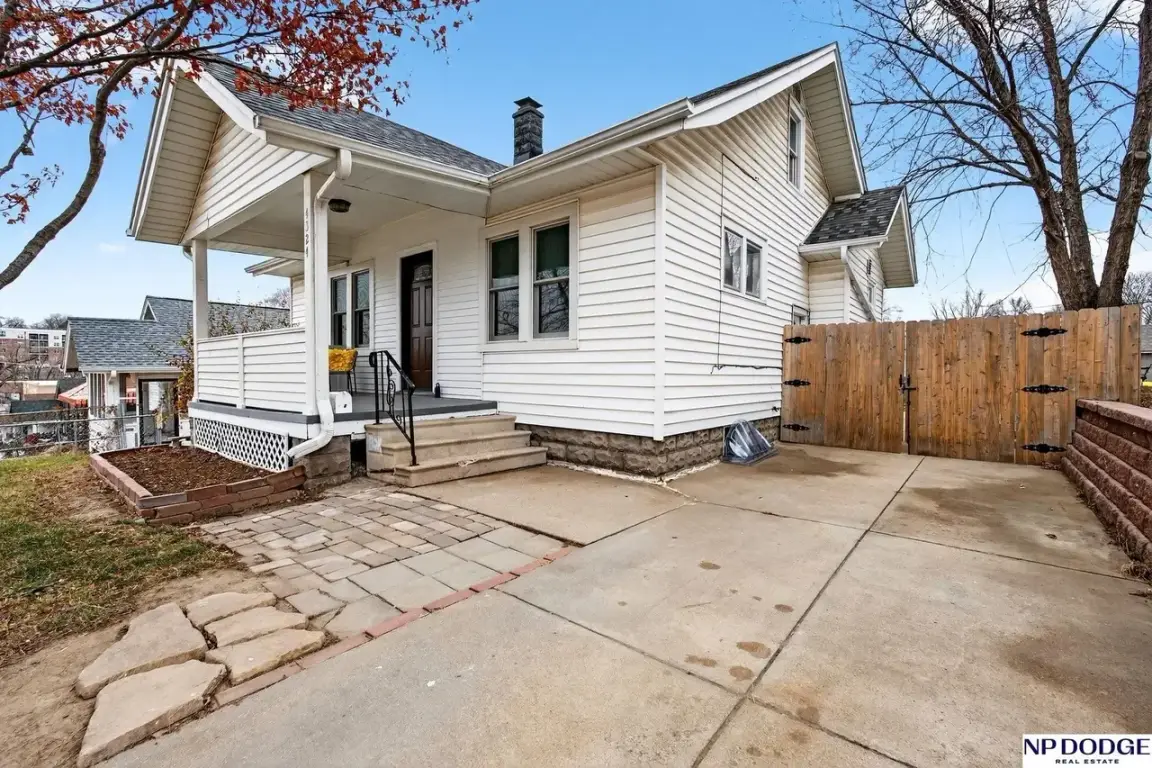
Selling a house with major problems can feel overwhelming. You might think you need to fix everything before putting your home on the market. The good news? You don’t have to. When selling a house as-is in Pensacola you can skip repairs and still find a buyer.
Many homeowners face expensive repair issues they simply can’t afford. Others inherit properties in poor condition. Some just want to move quickly without the hassle of contractors and months of work. Whatever your situation, understanding what problems you can sell with helps you make smart decisions.
As-is buyers, including companies like Greg Buys Houses, purchase homes in any condition. We handle all the repairs themselves after closing. This means you can walk away from foundation cracks, leaky roofs, and even serious code violations without spending a dime on fixes.
This guide covers the most common house problems you can sell as-is in Pensacola. You’ll learn exactly what issues as-is buyers accept, and why they’re willing to purchase homes others might reject. Let’s explore what you can sell without fixing first.
Structural and Foundation Issues You Can Sell With
Foundation problems scare most traditional buyers. These issues cost thousands to repair and signal deep structural concerns. But as-is buyers regularly purchase homes with foundation damage.
Cracks in foundation walls are common in Pensacola homes, especially older properties. Some cracks are hairline thin, while others spread wide enough to fit your fingers inside. Both types qualify for as-is sales. Vertical cracks usually come from normal settling. Horizontal cracks might indicate more serious pressure issues. Either way, you can sell without fixing them.
Sloping or uneven floors often point to foundation settlement. You might notice doors that won’t close properly or gaps between walls and floors. These signs worry regular buyers, but don’t stop as-is transactions. The buyer factors in repair costs in their offer and handles everything after the purchase.
Bowing basement walls represent another structural issue you can sell with. Water pressure from outside pushes against foundation walls over time. This creates inward bulging that weakens the structure. Professional repairs involve expensive wall anchors or replacement. As-is buyers take on this responsibility, so you don’t have to.
Pier-and-beam foundation problems also qualify. Rotting wooden supports, shifting piers, or inadequate support structures all fall under as-is conditions. Companies like Greg Buys Houses evaluate these issues and make fair cash offers based on the property’s current condition.
Termite damage to structural wood is another concern you can skip repairing. While termites create serious problems over time, as-is buyers purchase homes with active or past infestations. They arrange for treatment and structural repairs themselves.
The key advantage? You avoid spending $5,000 to $50,000 on foundation repairs. As-is buyers have contractor networks and volume discounts on repair work. They can fix problems more affordably than individual homeowners.
Roof Problems and Water Damage That As-Is Buyers Accept
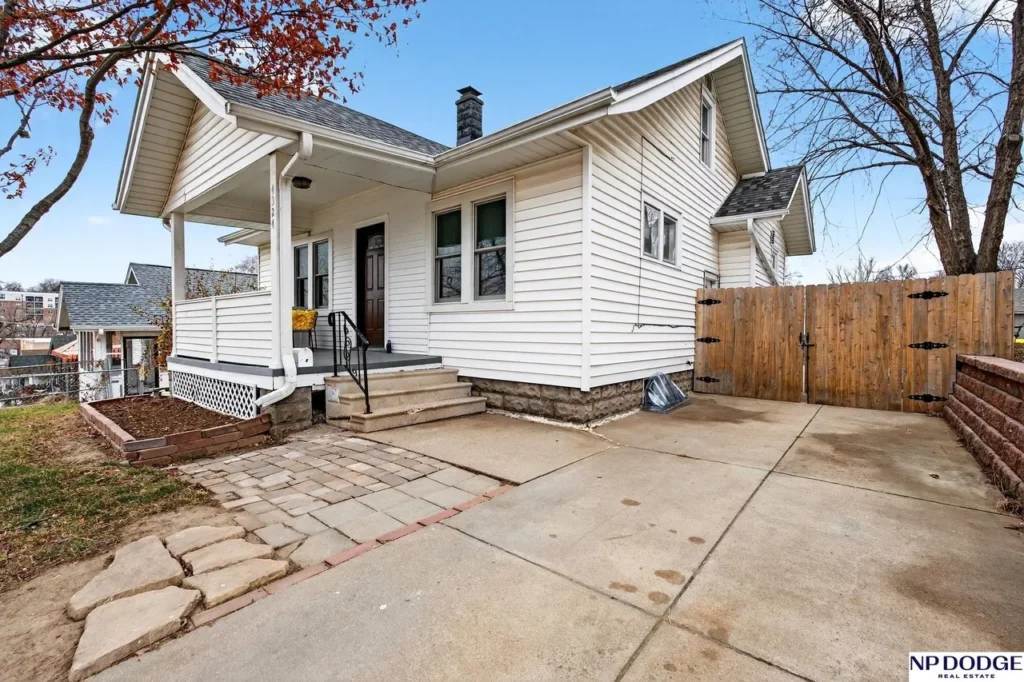
A failing roof tops the list of expensive home repairs. Replacement costs in Myrtle Grove range from $8,000 to $25,000 or more. Fortunately, you can sell houses with virtually any roof problem as-is.
Missing or damaged shingles create obvious visual problems. Wind from Gulf storms tears shingles loose, leaving exposed areas vulnerable to leaks. You don’t need to replace missing shingles before selling. As-is buyers expect roof issues and price accordingly.
Leaking roofs cause immediate concern for most buyers. Water stains on ceilings, dripping during rain, or visible light through the attic all indicate leaks. Traditional buyers often walk away from these problems. As-is buyers see them as expected conditions in fixer-upper properties.
Old roofs past their useful life still have value in as-is sales. Most roofs last 15 to 25 years, depending on the materials used. If your roof approaches or exceeds this age, replacement makes sense. Instead of spending thousands, you can sell as-is and let the buyer handle it.
Water damage throughout the house is completely acceptable in as-is transactions. This includes ceiling stains, wall discoloration, warped flooring, and peeling paint. Water damage often extends beyond visible areas, hiding in walls and subfloors. As-is buyers understand these hidden problems exist.
Rotted wood from long-term water exposure doesn’t prevent as-is sales either. Roof decking, rafters, fascia boards, and soffits often rot when water intrudes repeatedly. These repairs require carpentry skills and significant time. You can skip all of it.
Mold growth related to roof leaks falls under acceptable as-is conditions, too. We’ll cover mold more in the next section, but it’s worth noting here. Roof leaks and mold often go hand in hand. Both can be sold without remediation.
Companies that buy houses as-is in Pensacola factor all roof costs into their offers. They get quotes from roofers, add those costs to other repairs, and make an offer reflecting the total work needed.
Selling Houses with Mold, Electrical, and Plumbing Issues
Mold terrifies many homeowners and buyers. It grows in damp areas, spreads quickly, and creates health concerns. Despite these worries, you can absolutely sell a house with mold as-is.
Visible mold on walls, ceilings, or floors is common in humid Pensacola. Black mold (Stachybotrys) gets the most attention, but all mold types qualify for as-is sales. Professional mold remediation costs $500 to $6,000, depending on severity. As-is buyers handle this expense and process.
Hidden mold behind walls or under floors also doesn’t stop as-is sales. Buyers assume mold exists in water-damaged properties even when it is not visible. They budget for full remediation during their inspection and estimate phase.
Electrical problems pose safety hazards, but the vehicle remains sellable as-is. Outdated wiring systems, such as knob-and-tube or aluminum wiring, raise concerns for inspectors and insurance companies. Rewiring a house costs $3,000 to $10,000. You don’t need to upgrade before selling as-is.
Insufficient electrical capacity for modern needs is another common issue. Older homes often have 60- or 100-amp service, whereas 200-amp is standard today. Panel upgrades and additional circuits cost thousands. As-is buyers take care of these improvements.
Code violations in electrical systems don’t prevent as-is sales either. Missing GFCI outlets, uncovered junction boxes, or improper grounding all violate current codes. Traditional sales might require bringing everything to code. As-is sales don’t.
Plumbing problems of all types work in as-is transactions. Leaking pipes, corroded galvanized plumbing, or failing sewer lines all qualify. Pipe replacement throughout a house can exceed $10,000. Selling as-is transfers this responsibility to the buyer.
Broken fixtures, non-functioning toilets, or damaged water heaters don’t need to be replaced either. Greg Buys Houses and similar companies expect these issues in as-is properties. We calculate repair costs and adjust their offers accordingly, but we never ask you to fix anything first.

Code Violations and Permit Problems in As-Is Sales
Code violations significantly complicate traditional home sales. Buyers struggle to secure financing when violations are present. As-is sales bypass many of these concerns.
Unpermitted additions or renovations are extremely common. Previous owners often add rooms, enclose porches, or finish basements without proper permits. These improvements may not meet building codes. In traditional sales, sellers might need to obtain permits retroactively or remove the work. In as-is sales, buyers accept these situations.
Missing certificates of occupancy can halt regular sales. Some jurisdictions require these certificates for legal habitation. Obtaining one might require inspections and corrections. As-is buyers often have experience resolving these issues post-purchase.
Fire safety violations include missing smoke detectors, blocked exits, or inadequate egress windows. These create liability concerns in regular sales. As-is buyers factor correction costs into their offers without requiring you to fix anything.
Zoning violations sometimes occur when property use doesn’t match the zoning designation. Operating a business from a residential property or having too many unrelated occupants can violate zoning laws. As-is buyers evaluate these situations individually but often move forward anyway.
Environmental violations or hazards also qualify. Underground oil tanks, asbestos insulation, or lead paint create specialized problems. Remediation costs thousands and requires certified contractors. Companies buying homes as-is in Pensacola handle these environmental issues.
Outstanding liens from code enforcement pile up when violations go unaddressed. The city may place liens on your property for unpermitted work or violations. As-is buyers sometimes negotiate lien resolution as part of the sale.
The beauty of as-is sales? You avoid the stress of dealing with inspectors, contractors, and city officials. You skip the permit application process, the waiting, and the potential rejection. Cash buyers like Greg Buys Houses have systems in place to handle these problems after purchase. We close quickly despite violations that would delay or kill traditional sales.
When selling a house as is in Pensacola nearly every problem becomes acceptable. From cracked foundations to code violations, as-is buyers purchase properties that other buyers won’t touch. This gives homeowners with problem properties a real exit strategy. You get cash for your house without having to invest more money in repairs. The buyer gets a property with built-in equity after repairs are completed. Everyone wins.
Frequently Asked Questions
Do I need to disclose all problems when selling as-is in Pensacola?
Yes, you must still disclose known problems, even in as-is sales. Florida law requires sellers to reveal material defects they know about. As-is means the buyer accepts the condition, not that you can hide issues. Complete a seller’s disclosure form honestly and list all problems you’re aware of. This protects you legally and helps buyers make informed offers. As-is buyers expect problems, so that honesty won’t scare them away. In fact, full disclosure often speeds up the process since buyers can estimate repair costs accurately from the start. Companies like Greg Buys Houses prefer knowing everything up front so we can make our best offer immediately.
How much less will I get selling my house as-is with major problems?
As-is offers typically reflect repair costs, holding costs, and buyer profit margin. You might receive 50% to 75% of the market value after repairs, depending on the property and local market. A house worth $200,000 fixed up might bring $100,000 to $150,000 as-is. The exact amount depends on the extent of repair, location, and current market conditions. While you get less than full retail value, you avoid repair costs, months of preparation, realtor commissions, and holding costs like mortgage payments and utilities. For many sellers, the speed and convenience justify the lower price. Calculate your net proceeds both ways to decide what works better for your situation.
How fast can I sell my house as-is in Pensacola?
As-is sales to cash buyers often close in 7 to 21 days. This timeline beats traditional sales by months. Greg Buys Houses and similar companies can make offers within 24 to 48 hours of viewing your property. Once you accept an offer, we handle title work and closing arrangements quickly. No financing contingencies means no appraisal delays or loan denials. No inspection contingencies means no renegotiation after problems surface. You pick the closing date that works for your schedule. Some sellers close in as little as one week when they need to move fast. This speed helps people facing foreclosure, relocating, or inheriting properties they want to sell quickly.
