
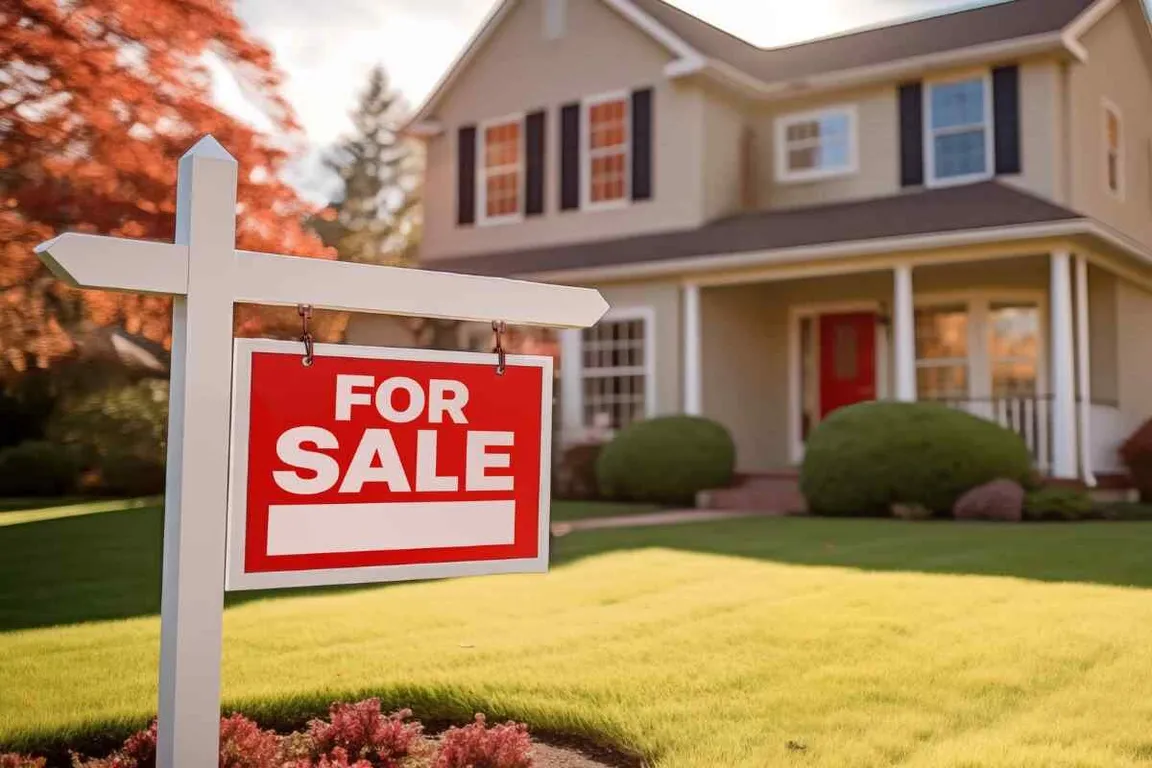
Selling your house for cash can feel like a mystery. You might wonder how companies like Greg Buys Houses come up with our numbers. What makes one home worth more than another? Why do cash offers sometimes seem lower than you expected?
Understanding how cash buyers calculate offers helps you make better decisions. When you know what affects your offer price, you can set realistic expectations. You’ll also spot whether an offer is truly fair or if something seems off.
Cash home buyers in Pensacola Florida use specific formulas to determine offers. They look at your property’s condition, location, and needed repairs. They also consider current market trends and their business costs. This article breaks down exactly how the process works so you have no surprises.
If you need to sell my house fast Pensacola Florida, knowing these factors puts you in control. You’ll understand why buyers make certain offers. You’ll also learn how to evaluate whether a cash sale makes sense for your situation.
What Cash Buyers Look at When Making an Offer
Cash home buyers examine several key factors before making an offer. Each element affects the final number they present to you.
First, they look at your home’s overall condition. A house that needs no repairs will get a higher offer than one requiring major work. Buyers walk through every room, checking walls, floors, and ceilings. They inspect the roof, foundation, plumbing, and electrical systems. They note broken appliances, damaged flooring, or outdated fixtures.
Why does condition matter so much? Cash buyers plan to resell or rent your property. They must pay for all repairs before doing that. If your home needs $20,000 in fixes, they subtract that amount from their offer. They also add extra for their time and effort managing those repairs.
Location plays a huge role in determining value. A house near good schools, shopping centers, or beaches commands higher prices. Pensacola homes close to Naval Air Station or downtown typically get better offers. Properties in quiet, safe neighborhoods also score higher values.
The size and layout of your home affect the offer too. Buyers count bedrooms, bathrooms, and total square footage. They prefer layouts that appeal to most buyers or renters. A three bedroom, two bathroom home usually sells easier than unusual floor plans.
Comparable sales in your area provide important guidance. Cash buyers research what similar homes sold for recently. They look at houses with similar sizes, ages, and conditions within a few miles of yours. These “comps” help establish a baseline value.

Your property’s age and any upgrades matter as well. Newer homes or recently renovated properties receive higher offers. Updated kitchens, modern bathrooms, and new roofs add value. Original features from decades ago often mean lower offers because buyers expect to replace them.
Finally, cash buyers consider how quickly they can resell your home. Properties in high demand areas get better offers because they sell faster. Homes that might sit on the market for months receive lower offers. The buyer needs to account for holding costs like taxes, insurance, and utilities while waiting for a buyer.
We evaluate all these factors when creating offers for Pensacola homeowners. The goal is finding a price that works for both the seller and the company.
How Pensacola Market Conditions Affect Your Price
The real estate market changes constantly. What happens in Pensacola directly impacts cash offers for your home.
When lots of buyers want homes in Pensacola, prices rise. This is called a seller’s market. Cash buyers can offer more because they know they’ll resell quickly. They face less risk of holding the property too long. Strong demand means they’ll likely make a good profit even with a higher purchase price.
In a buyer’s market, fewer people want homes. Houses sit unsold for longer periods. Cash buyers must be more careful with their offers. They know selling your home later might take time and cost money. Lower demand usually means slightly lower cash offers.
Interest rates affect the market too, even for cash buyers. When rates are low, more traditional buyers can afford mortgages. This creates competition for properties. Cash buyers might offer more because they know regular buyers will compete with them later. High interest rates mean fewer mortgage buyers, which can lower overall demand.
Seasonal patterns influence Pensacola real estate. Spring and summer typically bring more buyers to the market. Families want to move when kids are out of school. Good weather makes house hunting easier. Cash buyers often make stronger offers during peak seasons because they’re confident about quick resales.
Winter and fall sometimes slow down. Fewer people shop for homes during holidays or bad weather. Cash offers might adjust slightly during slower months. However, the difference is usually smaller than you’d see with traditional sales.
Local economic factors matter greatly. Pensacola’s economy relies partly on the military, tourism, and healthcare. When these sectors do well, more people move to the area. Job growth brings new residents who need housing. This pushes up property values and cash offers.
Economic downturns have the opposite effect. If major employers cut jobs, fewer people move in. Some residents might leave. This reduces demand and can lower cash offers slightly.
New construction in Pensacola also affects existing home values. When developers build many new homes, buyers have more choices. This can slow sales of older homes. Cash buyers factor this competition into their offers.
Natural disasters or insurance costs impact the market too. Florida’s hurricane risk affects insurance prices. When insurance becomes expensive, some buyers hesitate. Cash buyers must consider these costs when determining offers.
The good news is that we stay active in all market conditions. We don’t disappear when markets slow down. We adjust offers based on current realities but keep buying homes year round.

The Difference Between Cash Offers and Market Value
Many sellers get confused about cash offers versus market value. Understanding the difference helps set proper expectations.
Market value means the price your home would sell for through traditional methods. This assumes you list with a real estate agent, wait for buyers, and go through the normal process. You’d prepare the house, stage it nicely, and show it multiple times. You’d negotiate with buyers who need mortgage approval. The final price after this process represents market value.
Cash offers typically run 10% to 30% below market value. This range surprises many sellers at first. Why the gap? Cash buyers provide benefits that traditional sales don’t offer.
Speed is the biggest benefit. Traditional sales take 30 to 90 days or longer. You might wait weeks just to get an offer. Then the buyer needs mortgage approval, inspections, and appraisals. Any of these can delay or kill the deal. Cash sales close in as little as seven days. We can often close in two weeks or less if you need quick cash.
You save on repair costs with cash sales. Traditional buyers usually demand that you fix problems found during inspections. You might spend thousands on repairs, painting, and updates. Cash buyers purchase homes as is. You don’t fix anything. You don’t even clean if you don’t want to. This saves you money and stress.
You avoid selling costs too. Traditional sales involve realtor commissions (typically 5% to 6% of the sale price), closing costs, and various fees. On a $200,000 home, you might pay $12,000 to $15,000 in commissions alone. Cash sales eliminate most of these expenses. The buyer usually covers closing costs.
There’s no risk of deals falling through. About 30% of traditional home sales fail before closing. Buyers can’t get financing, or inspections reveal problems, or they simply change their minds. You waste months and still have no sale. Cash offers close with certainty. Once you accept, the deal happens.
You also avoid the hassle of showings and open houses. Traditional sales mean strangers walking through your home repeatedly. You must keep everything perfect. You might need to leave during showings. Cash buyers make one visit and give you an offer.
When you add up these benefits, the lower price often makes sense. Consider a $200,000 market value home. After repairs ($15,000), commissions ($12,000), and holding costs for three months ($3,000), you’d net about $170,000. A cash offer of $165,000 with no repairs, no commissions, and a two week close might actually put similar money in your pocket.
The math works differently for everyone. If your home needs no repairs and you’re not in a hurry, traditional sales might net more. If you need to sell my house fast Pensacola Florida or face expensive repairs, cash offers often make more financial sense.
How to Know if a Cash Offer is Fair
Evaluating a cash offer takes some research and honest assessment. Follow these steps to determine if an offer is reasonable.
Start by researching comparable sales yourself. Look online at recently sold homes in your neighborhood. Focus on houses similar to yours in size, age, and condition. Note what they actually sold for, not listing prices. This gives you a baseline for your area’s market value.
Get multiple cash offers if possible. Different companies use different formulas. Some might see value others miss. Getting three offers helps you understand the range. If all three fall within a few thousand dollars of each other, you’re probably seeing fair market offers. One offer significantly higher or lower than others deserves scrutiny.
Be honest about your home’s condition. Walk through your house with critical eyes. Pretend you’re a buyer seeing it for the first time. Note every repair needed, from minor fixes to major problems. Research what those repairs cost. A new roof might run $8,000 to $15,000. HVAC replacement could cost $5,000 to $10,000. Foundation work can exceed $20,000.
Calculate what you’d net from a traditional sale. Take your estimated market value and subtract expected costs. Include realtor commissions (usually 6%), repairs buyers would demand, staging costs, and utilities while the house sits on the market. Don’t forget closing costs and any mortgage payments during the selling period. This shows what you’d actually pocket.
Compare this net amount to the cash offer. If they’re close, the cash offer might be smart. You get certainty and speed. If the traditional sale would net significantly more and you have time to wait, that might be better.
Ask the cash buyer to explain their offer. Legitimate companies like Greg Buys Houses will break down their calculations. They should explain what repairs they noticed and what they’ll cost. They should reference comparable sales. They should be transparent about their profit margin. If a buyer won’t explain their numbers, be cautious.
Check the company’s reputation before accepting. Read online reviews on Google and Facebook. Look for complaints with the Better Business Bureau. Ask for references from past sellers. Reputable companies have nothing to hide and happy customers willing to share their experiences.
Watch for red flags that suggest unfair offers. Pressure to sign immediately without time to think is a bad sign. Offers that change dramatically at closing are another warning. Companies that won’t put offers in writing or seem unprofessional might not be trustworthy.
Consider your personal situation when judging fairness. A lower offer might be “fair” if you need to move quickly for a job. It might be fair if you’re avoiding foreclosure and protecting your credit. It might be fair if you inherited a property you can’t maintain. Fair doesn’t always mean highest price. It means reasonable given your specific circumstances.
Think about opportunity costs too. Three months trying to sell traditionally means three months of stress, showings, and uncertainty. It means three months of making mortgage payments and paying utilities. It means three months where the deal could fall through. For many sellers, the peace of mind from a quick, certain cash sale is worth accepting a lower price.
Trust your instincts but verify with facts. If an offer feels too low, research why. If it seems fair, make sure you understand all terms before signing. Take time to read all documents carefully. Ask questions about anything confusing.
Working with established local companies helps ensure fairness. We have served Pensacola and Navarre for years. We care about our reputation and treat home sellers honestly because we plan to stay in business long term.
Frequently Asked Questions
How quickly can I get a cash offer on my Pensacola home?
Most cash home buyers can provide an offer within 24 to 48 hours after seeing your property. The process starts when you contact the company and share basic information about your home, including its address, size, and condition. The buyer will schedule a time to visit your property for a quick walkthrough. They’ll take notes and photos but won’t conduct a formal inspection at this stage. After the visit, they’ll research comparable sales and calculate repair costs. You’ll typically receive a written offer the next day. Some companies can provide offers even faster if you’re in an urgent situation. We aim to make offers quickly so you can make informed decisions without waiting weeks like you would with traditional buyers.
Do I need to make any repairs before selling to a cash buyer?
No, you don’t need to make any repairs before selling your house for cash. Cash buyers purchase properties in as is condition, which means exactly how it stands right now. You can leave broken appliances, damaged flooring, or outdated fixtures. You don’t need to fix the roof, update the kitchen, or paint the walls. Cash buyers calculate the cost of needed repairs and account for them in their offer price. This saves you the time, money, and stress of coordinating contractors and managing renovation projects. It’s especially helpful if you don’t have extra money for repairs or if you need to sell quickly. Just leave everything as is and let the buyer handle improvements after closing.
What costs do I pay when selling to a cash buyer in Pensacola?
When you sell to a cash buyer, you typically pay very few costs compared to traditional sales. Most cash buyers cover the closing costs themselves. You won’t pay real estate agent commissions because you’re selling directly without a realtor. You won’t pay for inspections, appraisals, or repairs since cash buyers purchase as is. You might need to pay off any existing mortgage or liens on the property, but this comes from your proceeds, not as an extra expense. Some sellers choose to hire a real estate attorney to review documents, which might cost a few hundred dollars, but this is optional. In many cases, you walk away with the agreed upon offer amount minus only your mortgage payoff, making the process simple and predictable.
