
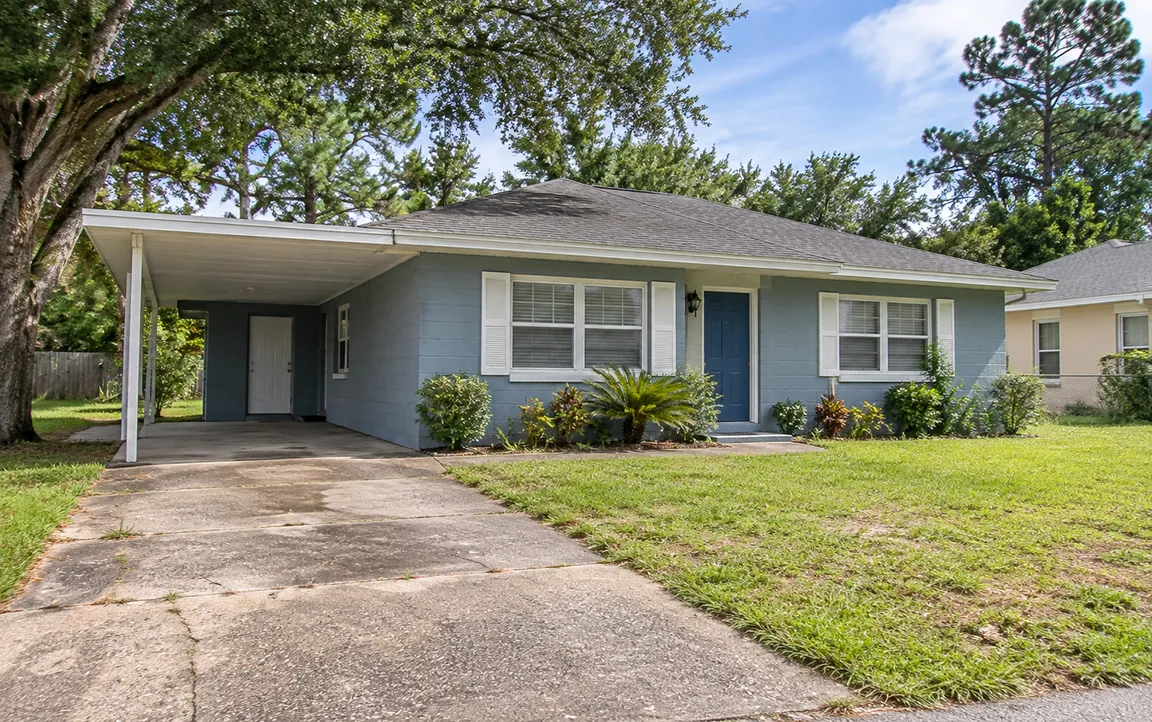
Understanding taxes on selling an inherited house in Florida can feel overwhelming — especially when you’re already managing grief, estate paperwork, and family decisions at the same time. The federal tax rules for inherited property work very differently from a standard home sale, and knowing which forms to file, how to report your basis correctly, and what records to keep can save you from costly mistakes with the IRS.
Florida has no state income tax, which removes one layer of complexity. But federal reporting requirements still apply, and getting them right matters.

Which IRS Forms Do You Need to Report the Sale of an Inherited House?
Selling an inherited home may create a capital gains reporting requirement, even when little or no tax is owed. The forms you need depend on how long you held the property and what it sold for relative to its stepped-up value.
What Is IRS Form 8949 and Why Does It Matter?
IRS Form 8949 is where you report the actual sale of a capital asset, including an inherited home. When you report an inherited property sale on Form 8949, you generally enter it as a long-term transaction — and IRS instructions direct taxpayers to enter “INHERITED” in the date-acquired field.
If inherited property is a capital asset, its gain or loss is generally treated as long-term regardless of how long the heir held it. The IRS treats inherited property as automatically long-term.
Where Does Schedule D Fit In?
After completing Form 8949, those numbers carry over to Schedule D capital gains reporting on your federal return. Schedule D is the summary form that brings together all your capital gains and losses for the tax year. A gain may be taxable, while the treatment of a loss depends on how the property was held and used. A tax professional should determine whether any reported loss is deductible.
If the property sells near its applicable inherited basis, the taxable gain may be relatively small. A larger change in value before the sale can result in a larger gain or loss.
What Does Form 1099-S Mean for Your Filing?
If the closing attorney or title company filed a Form 1099-S for your sale, the IRS already has a record of the transaction. That form reports the gross proceeds from the sale and will be matched against your tax return. Failing to report the sale when a 1099-S exists is one of the most common triggers for IRS notices.
If an individual taxpayer receives Form 1099-S for a reportable capital asset sale, the reported proceeds generally need to be reconciled on the federal return — typically through Form 8949 and Schedule D. Estate-level sales may involve different filing requirements.
How Do You Show the Step-Up in Basis on Your Tax Return?
The step-up in basis is the single most important concept in understanding taxes on selling an inherited house in Florida. Inherited property generally receives a new basis based on fair market value at the date of death, although an alternate valuation date or other special rules may apply. This is commonly called a step-up in basis, though the new basis can sometimes be lower.
Why Does the Step-Up in Basis Reduce or Eliminate Your Tax?
Consider a parent who purchased a home in Pensacola in 1985 for $80,000. By the time they passed away, it was worth $320,000. As the heir, your basis is $320,000 — not $80,000. In a simplified example, a $320,000 inherited basis and a $330,000 gross sale price result in a $10,000 difference before accounting for applicable selling expenses and other basis adjustments.
On Form 8949, you enter the stepped-up value as your cost basis. That number should come directly from a professional appraisal completed close to the date of death, or from the estate’s federal estate tax return if one was filed.
How Does the IRS Evaluate Your Basis Claim?
The IRS does not require you to attach the appraisal to your tax return, but you must be able to support your basis if questioned. Basis reporting rules require that your reported value be defensible and documented. A certified appraisal from a licensed real estate appraiser is the gold standard. In some cases, a qualified broker’s price opinion or county property records may support the figure — but a formal appraisal is always the safest choice.
What Happens When There Are Multiple Heirs?
If more than one person inherited the property, each heir reports their share of the gain or loss based on their ownership percentage. A home inherited equally by three siblings means each person reports one-third of the gain on their own return. Co-owners should use a consistent underlying property valuation and allocate the basis, proceeds, and applicable selling expenses in accordance with their ownership interests, subject to any individual basis adjustments.
What Records Should Florida Heirs Keep After Selling an Inherited Property?
Good recordkeeping isn’t just a good habit — it’s your protection if the IRS ever questions your return. The tax documentation for an inherited home needs to cover the property’s value at the time of inheritance and all costs associated with the sale.
Which Documents Should You Hold On To?
Keep the following in a secure file:
- The certified appraisal or other valuation document dated near the date of death
- A copy of the death certificate
- Probate court records or letters testamentary showing your authority over the estate
- The final closing statement from the sale, which lists all proceeds and selling costs
- Receipts for capital improvements and other property expenditures, so a tax professional can determine which items affect adjusted basis — ordinary repairs and maintenance generally do not increase the basis
Estate settlement records form the backbone of your tax position. Without them, you cannot prove what the property was worth when you inherited it.
How Long Should You Keep Those Records?
The IRS generally has three years from your filing date to audit a return. However, if income is underreported by more than 25 percent, that window extends to six years. Keep records supporting the property’s basis and sale until the applicable limitations period expires for the tax year in which the property sold. The normal period is often three years, but longer periods apply in some situations.
Which Costs Can Adjust Your Basis?
Many heirs in the Navarre and Pensacola area spend money preparing an inherited home for sale. Certain capital improvements may increase adjusted basis, while routine maintenance and ordinary repairs generally do not. Replacing an entire roof or installing a qualifying new HVAC system, for example, differs from patching a roof leak or repainting a room. Keep detailed receipts and let a tax professional classify each expenditure.

Frequently Asked Questions
Do You Have to Pay Capital Gains Tax When You Sell an Inherited House in Florida?
You may owe federal capital gains tax when you sell an inherited house in Florida, depending on the property’s tax basis and the amount realized from the sale. Inherited basis is generally based on the property’s fair market value at the date of death or another applicable valuation rule, with later adjustments potentially affecting the calculation. Florida does not impose a state individual income tax, so an individual generally does not owe a separate Florida capital gains tax on the sale. However, federal tax rules still apply, and tax treatment may differ for estates, trusts, or other entities.
What Happens If You Don’t Report the Sale of an Inherited Home on Your Tax Return?
Failing to report the sale can trigger an IRS notice — especially if a Form 1099-S was issued at closing. Even when no tax is owed, the sale must appear on Form 8949 and Schedule D. Working with a tax professional ensures the filing is complete and accurate.
How Does Greg Buys Houses Help Heirs Who Need to Sell an Inherited Property Quickly?
Greg Buys Houses buys inherited homes directly from heirs — often when the estate is still settling or the property needs repairs. Selling directly avoids the traditional listing process, which can be a real advantage when you’re managing taxes on the sale of an inherited house in Florida alongside everything else that comes with settling an estate.
