
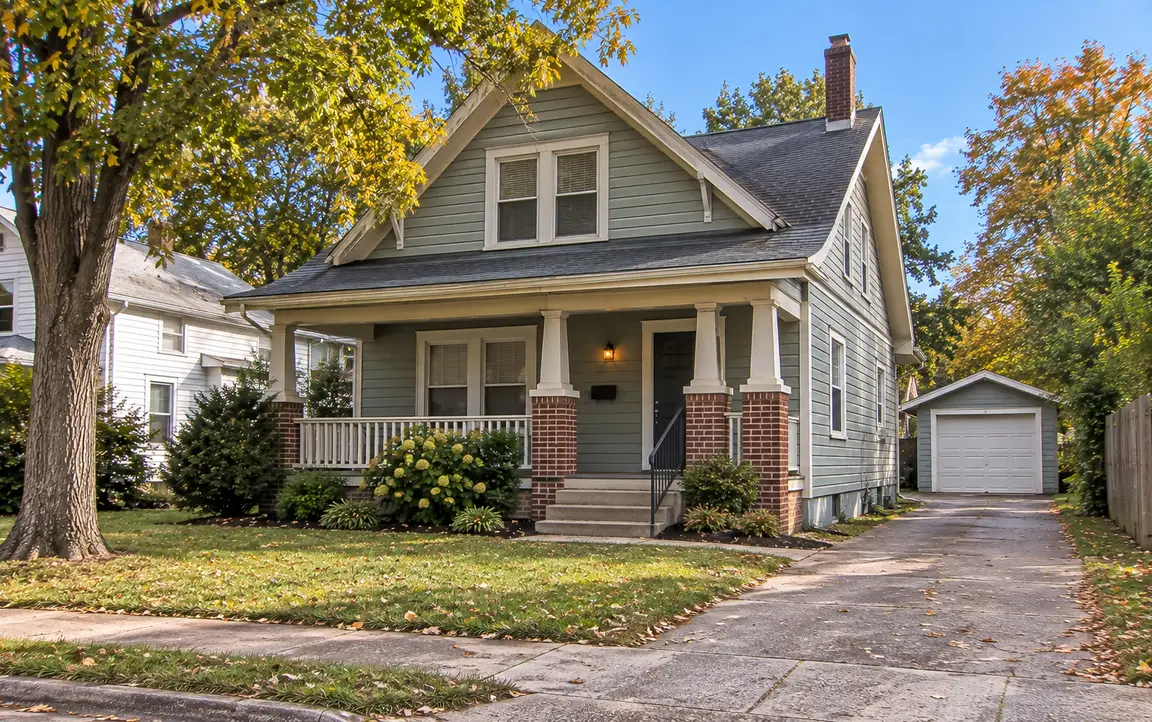
Selling a vacant house in Pensacola, FL comes with pressures that most absentee owners never see coming. Empty homes attract code violations, registration requirements, and mounting fines that can quietly turn a manageable situation into a serious financial burden.
Pensacola and Escambia County have rules specifically targeting vacant and abandoned properties. Understanding those rules before a fine lands in your mailbox is the best way to protect yourself.
Does Pensacola Require You to Register a Vacant Property?
Vacant property registration is required in many Florida municipalities, and Pensacola is no exception. Local governments use registration programs to track empty homes, hold owners accountable, and reduce neighborhood blight caused by neglected structures.
What Triggers the Registration Requirement
A property is generally considered vacant when no one lives there and no legitimate business activity occurs on-site. It doesn’t matter whether you own the home outright or are still paying a mortgage on it — if the lights are off and no one is home, local authorities may classify it as vacant under the city’s empty-house ordinance.
Registration is often triggered after:
- A utility disconnection is reported
- A neighbor complaint is filed with code enforcement
- A routine inspection flags the home as unoccupied
- A property enters foreclosure and sits empty during the legal process
What Registration Requires From You
Once a property is flagged, the owner must typically register it with the city or county and pay an annual fee. That fee can increase each year the property remains empty. You may also be required to provide contact information, designate a local property manager, and carry active liability insurance on the structure.
Failing to register after notification can trigger additional penalties on top of any other code issues. At that point, registration isn’t just a suggestion — it’s a legal obligation.
What This Means for Absentee Owners in Pensacola and Navarre
If you own a vacant home in Pensacola, FL or Navarre, FL and you live out of state or out of the area, staying on top of these notices is genuinely difficult. Notices go to the address on record with the county property appraiser. If that address is the vacant property itself, you may never receive them. By the time you learn about a registration requirement, you could already be in violation.
What Code Violations Can the City Issue on an Empty Home?
An empty home doesn’t sit quietly in place. It deteriorates, attracts attention, and becomes a target for Escambia County code enforcement activity. Code officers can inspect, cite, and fine owners for a wide range of conditions on vacant properties.
Common Violations Found on Vacant Properties
These are the conditions code enforcement most frequently cites on empty homes in the Pensacola area:
- Overgrown vegetation: Grass and weeds above a certain height trigger automatic violation notices
- Unsecured structures: Broken windows, open doors, and damaged fencing create safety hazards and invite trespassers
- Accumulated debris: Trash, construction materials, or abandoned belongings left on the property
- Standing water: Pools of water become a public health concern tied to mosquito breeding
- Structural deterioration: Sagging rooflines, rotted wood, and peeling paint are all citable conditions under local housing codes
Each violation is issued separately, meaning a single inspection can produce multiple citations in one visit.
How the Notice and Compliance Process Works
When code enforcement identifies a violation, they issue a formal notice to the property owner with a deadline for corrective action. Fix the problem before the deadline, and the violation is typically closed without a fine.
The challenge for absentee owners is that fixing an overgrown yard or boarding up a broken window from hundreds of miles away isn’t simple. Hiring a local contractor takes time, and compliance windows can be short. Miss that window, and the violation escalates.
When Do Properties Get Declared Unsafe or Abandoned?
Repeated or severe violations can lead the city to declare a structure unsafe or abandoned under the municipal code. Once that designation is applied, the city gains broader authority to act — including the ability to begin demolition at the owner’s expense. This is a worst-case outcome, but it’s far from rare for heavily neglected vacant homes in Escambia County.
How Do Fines and Liens Build Up on Abandoned Properties in Escambia County?
This is where the financial damage becomes most visible. Abandoned property fines in Escambia County don’t arrive as a single charge — they accumulate over time and, if left unresolved, attach to the property as a lien.
How Fines Are Calculated and Added
Code enforcement boards can impose daily fines for ongoing violations. Once a compliance deadline passes and the violation remains uncorrected, fines can begin accruing every single day. Even modest daily fines add up fast over weeks and months of non-compliance.
Registration fees, administrative costs, and any work the city or county performs to address safety hazards get added to the total as well. If the city mows your overgrown lawn after citing you for it, they bill you for that service.
What a Property Lien in Pensacola Means for You
A property lien in Pensacola is a legal claim attached to your home’s title. You cannot sell or refinance the property without first resolving that debt. Liens from code enforcement and municipal services carry the same weight as any other title encumbrance.
Some liens also accrue interest, meaning the total owed keeps growing even when no new violations are issued. An owner who ignores the situation for a year or two may return to find a lien balance far larger than expected.
How Greg Buys Houses Handles These Situations
We’ve worked with owners carrying significant lien balances on vacant properties throughout the Pensacola area. In many cases, a cash sale resolves the situation cleanly — the closing process pays off the lien directly through the title company, so you don’t have to negotiate with the city or county separately before the sale can proceed.
This is one of the key reasons selling a vacant house in Pensacola, FL to a cash buyer is often the most practical path out of an escalating situation. No repairs, no open house, and no waiting on a bank approval that could fall through at the last moment.

Frequently Asked Questions
How long does a property have to be empty before Escambia County classifies it as vacant?
There’s no single statewide standard, as local ordinances vary. Generally, a property can be classified as vacant after a relatively short period of confirmed unoccupancy — especially if utilities have been shut off or complaints have been filed. If you’re unsure about your property’s status, check directly with the Escambia County code enforcement office.
Can a property lien in Pensacola prevent me from selling my vacant house?
A lien doesn’t prevent a sale, but it must be resolved before a clean title can transfer to a buyer. In a cash sale, the title company typically pays off the lien through the closing process. We factor existing liens into our offers so the transaction can move forward without the seller having to pay anything out of pocket beforehand.
What happens if I never respond to a code violation notice on my vacant property?
Ignoring a code violation notice doesn’t make it go away. The violation stays open, fines may continue to accrue, and the matter can be escalated to a code enforcement board hearing. From there, the board can impose larger fines and authorize the city to take corrective action at the owner’s expense — with all costs added as a lien against the property.
