
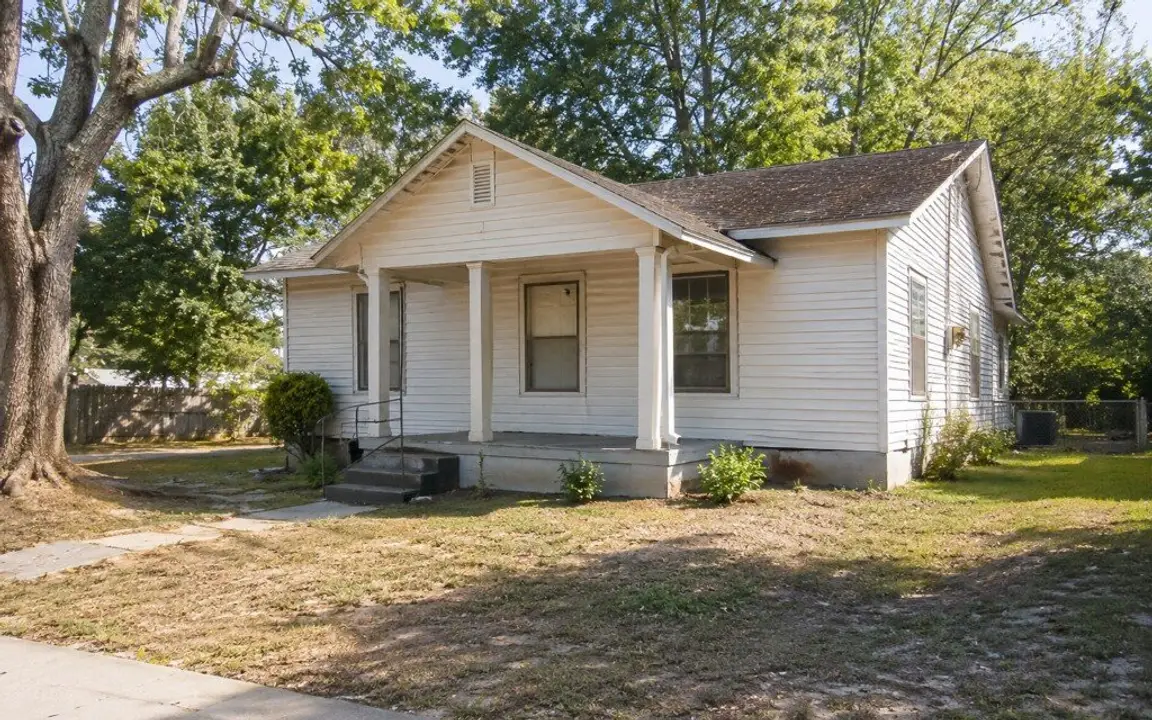
Inheriting a property brings both responsibility and a wave of unfamiliar legal steps. If you are considering selling an inherited house in Pensacola, FL, understanding Florida’s probate process is the first step before any sale can move forward.
What Is Probate and Does It Apply to Your Inherited Home?
Probate is the court-supervised process of transferring a deceased person’s assets to their rightful heirs. A Florida probate proceeding may be necessary when a deceased owner held real estate individually. However, the correct process depends on the deed, trust documents, survivorship rights, homestead status, and estate plan. That means if you inherited a house in Pensacola or Navarre, FL, you likely cannot sell it until probate has cleared the title.
When Probate Is Required
Florida law generally requires probate whenever real estate is titled solely in the name of the person who passed away. If the property was held through a trust, survivorship ownership, life estate, or another valid nonprobate arrangement, a traditional probate administration may not be required for that asset.
The probate requirement exists to protect creditors and to ensure that the rightful heirs receive the proper assets. It also ensures that any outstanding debts attached to the estate are settled before property changes hands.
When Probate Can Be Skipped
There are situations where the home passes outside of probate entirely. If the deceased owned the home jointly with a spouse, or if the deed included a survivorship clause, the surviving owner may take title automatically. Similarly, if the home is held inside a revocable living trust, the trustee can transfer it without court involvement. A Florida-licensed real estate attorney can review the deed and tell you quickly which path applies to your situation.
Understanding the Two Types of Florida Probate
Florida offers two main probate tracks. Formal administration applies to larger estates and involves a full court process. Summary administration is a shorter process available when the estate’s value is below a certain threshold or when the person passed away more than two years ago. Knowing which track fits your situation affects how long you will wait before selling becomes possible.
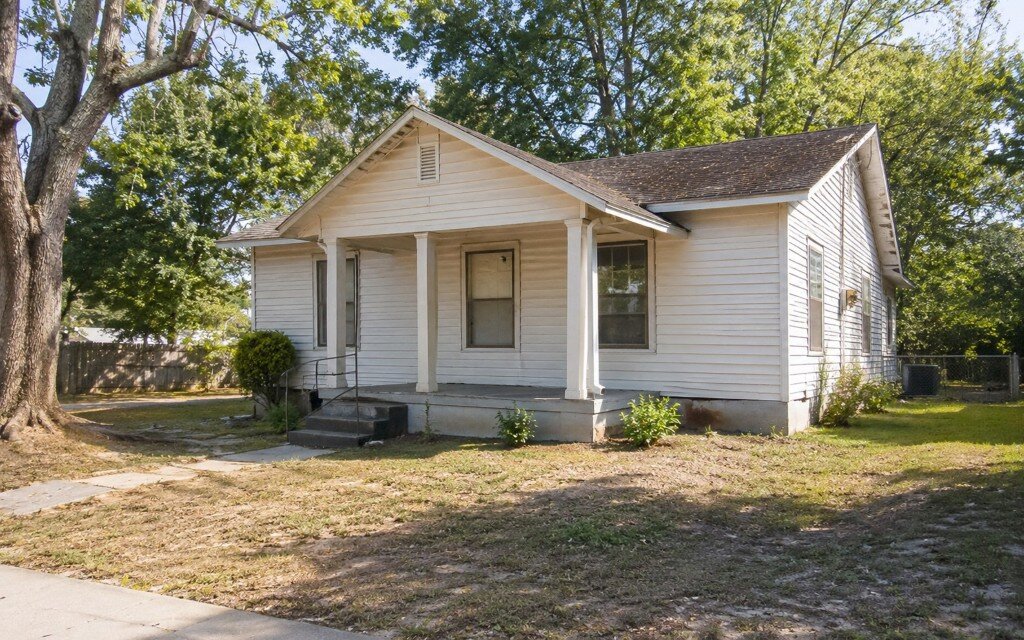
How Long Does Probate Take for a House in Pensacola, FL?
The timeline is one of the biggest concerns heirs often have. The honest answer is that it depends on several factors, including the size of the estate, whether a valid will exists, and whether any disputes arise among family members.
Formal Administration: The Longer Path
Formal administration in Escambia County probate court typically takes at least several months. Complex estates, contested wills, or unresolved creditor claims can extend the process by a year or more. During this time, the court appoints a personal representative (Florida’s term for what other states call an executor) to manage the estate. That person files an inventory, notifies creditors, and handles all court filings.
After appointment and issuance of letters of administration, the personal representative can begin exercising the authority permitted by Florida law, the will, and court orders. The exact steps required before selling real estate depend on the property and estate in question.
Summary Administration: The Shorter Path
Summary administration moves faster because it skips several of the steps required in formal administration. Heirs petition the court directly, and if everything is in order, the court can approve the transfer in a matter of weeks. However, this track is available only to qualifying estates. An attorney practicing in Pensacola or Navarre, FL, can confirm whether your inherited property qualifies.
Factors That Slow Things Down
A few common issues significantly extend timelines. These include disputes among heirs, missing or outdated wills, unpaid property taxes or mortgages tied to the estate, and delays in filing the initial petition with the court. Starting the process early and working with a qualified attorney reduces the risk of unnecessary delays.
Can You Sell an Inherited House Before Probate Is Finished?
This is one of the most common questions from heirs. A property may sometimes be sold while formal probate administration is still open. Whether the personal representative can complete the sale depends on the will, letters of administration, applicable court requirements, title issues, and whether the property is an estate asset.
The Role of the Personal Representative
The personal representative recognized under Florida law holds legal authority over the estate’s assets during estate administration. That person, once formally appointed by the court and issued letters of administration (the official document granting them authority to act), can enter into a contract to sell the property. Before entering or completing a sale, the personal representative and probate attorney should confirm whether the will, letters of administration, or a court order provides the required authority.
Some probate courts allow the personal representative to sell real property during administration if the sale benefits the estate, especially when holding the property creates ongoing costs. This requires court approval and proper notice to creditors and heirs.
What Letters Testamentary Actually Do
The probate court issues letters testamentary that serve as proof that the personal representative has authority to act on behalf of the estate. Title companies and buyers require this document before proceeding with any sale. When a personal representative is selling estate property through formal administration, the title company will generally require evidence of that representative’s authority. Other property-transfer structures may require different documents.
Selling After Probate Clears
Once the appropriate party has authority to convey the property and all title requirements are satisfied, the property may be sold either by the estate’s personal representative or by the beneficiaries who received it. At that point, selling an inherited house in Pensacola, FL, works much like selling any other home, except that you may also need to consider potential capital gains tax based on the property’s stepped-up basis at the time of inheritance. A tax advisor can walk you through what that means for your specific situation.
Frequently Asked Questions
Do I need a lawyer to sell an inherited house in Florida?
Florida generally requires a personal representative to be represented by a Florida-licensed attorney, subject to limited exceptions. Heirs should obtain legal guidance to determine the correct probate procedure and who has authority to sell the property. An attorney can file the correct petitions with the Florida probate court, help you avoid costly errors, and confirm when you have the legal authority to sell. At Greg Buys Houses, we can discuss a potential purchase once the estate has the legal authority required to sell the property.
What is the difference between a personal representative and an executor in Florida?
Florida uses the title “personal representative” rather than “executor,” but the role is essentially the same. This person is appointed by the court during estate administration to manage the deceased’s assets, pay debts, and ultimately transfer or sell property. They receive letters testamentary from the court as proof of their authority to act.
How soon after probate closes can I sell the inherited property?
Once the estate or property owners have the required authority and the title requirements are satisfied, the parties may proceed with a sale. The closing date depends on the purchase agreement, title review, estate documents, and any unresolved property issues.
