
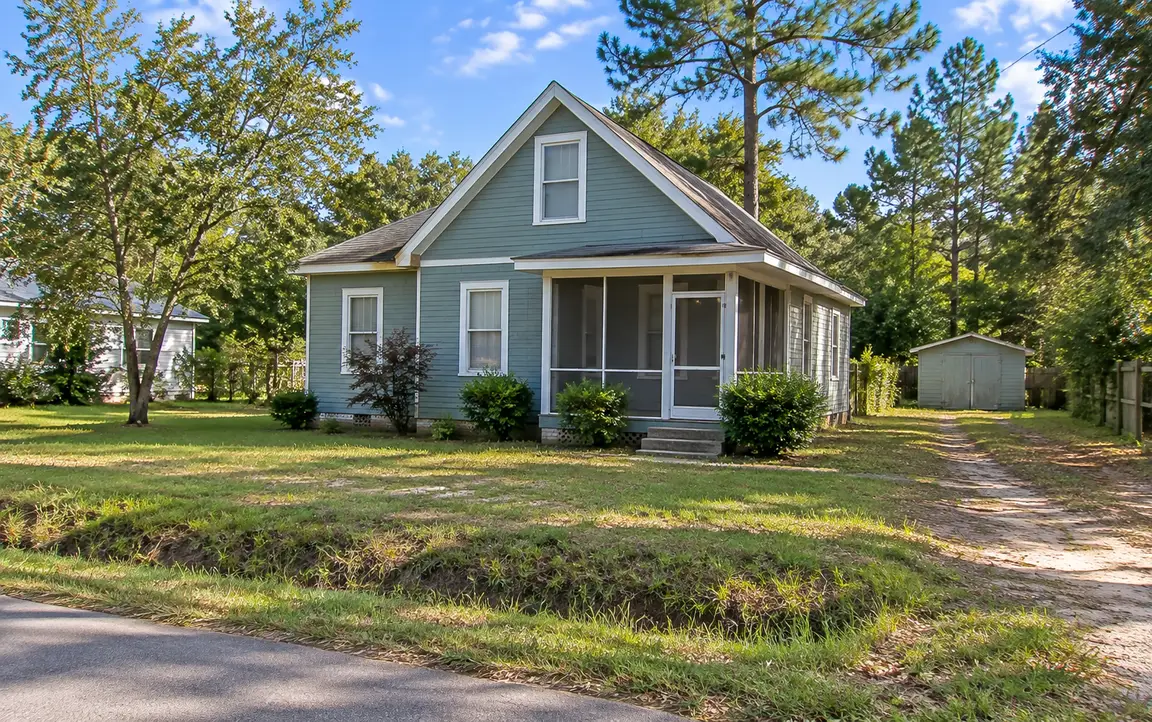
Selling a distressed house in Pensacola while bankruptcy is active is more complicated than a standard home sale — but it is absolutely possible. Bankruptcy adds a legal layer most sellers have never had to navigate, and understanding how it works can make the difference between a smooth sale and a costly mistake.
Can You Sell a Distressed House in Pensacola While Bankruptcy Is Active?
Federal law allows you to sell a home during an open bankruptcy case, but it requires court involvement. The moment you file, your property becomes part of what is called the bankruptcy estate. That means you no longer have full control over decisions involving that asset — including whether to sell it.
The Role of the Bankruptcy Trustee
When you file for bankruptcy, the court assigns a bankruptcy trustee to your case. This person oversees your assets and protects the interests of your creditors. If you want to sell your home, the trustee must review and approve the transaction before it can move forward.
Trustee approval is not automatic. The trustee will look at the proposed sale price, the deal terms, and whether the sale benefits your creditors. If the offer is too low or the terms seem unfavorable, the trustee can object. This is why a fair, well-documented cash offer tends to move through the approval process more smoothly than a complicated financed offer.
Court Authorization and What It Means for Your Timeline
Beyond trustee approval, the bankruptcy court itself may need to authorize the sale. Your attorney will typically file a motion to sell on your behalf, which the court then reviews. Creditors are notified and given a window to object. If no one objects and the court approves, the sale can proceed.
This process takes time and varies by district and case complexity. Sellers in Pensacola and Navarre, FL dealing with distressed property situations often feel frustrated by the waiting period, but working with the right buyer from the start can help reduce unnecessary back-and-forth.
What Happens to the Sale Proceeds
Sale proceeds from a bankruptcy home sale do not go directly into your pocket. The funds first go toward paying secured debts — such as your mortgage — and then get applied to other creditor claims under bankruptcy law. Depending on Florida’s homestead exemption, you may be entitled to keep a portion of the proceeds. A bankruptcy attorney can tell you exactly what to expect based on your specific case.
What Is the Difference Between Chapter 7 and Chapter 13 When Selling a Home?
The type of bankruptcy you filed significantly changes the rules around selling your home. Chapter 7 and Chapter 13 are the two most common types for individual filers, and they follow very different paths when real estate is involved.
Selling During Chapter 7 Bankruptcy
Chapter 7 bankruptcy is a liquidation process. The trustee has broad authority to sell non-exempt assets — including your home — to pay creditors. In some cases, the trustee may initiate the sale themselves if there is meaningful equity in the property. If you want to sell before the trustee acts, you can request permission, but time is a real factor because Chapter 7 cases move quickly through the courts.
Florida’s homestead exemption is one of the strongest in the country. If your home qualifies, the equity may be fully protected, which means the trustee may have little interest in the property. However, you still cannot sell without notifying the court and getting proper clearance.
Selling During Chapter 13 Bankruptcy
A Chapter 13 property sale involves more steps than Chapter 7. Chapter 13 is a reorganization bankruptcy, meaning you follow a structured repayment plan that can last three to five years. Selling your home during that period requires court approval, and you must apply the proceeds in a way that aligns with your confirmed repayment plan.
Your trustee, your creditors, and the court all have a say in how the sale proceeds are handled. If the sale generates more money than the plan requires, you may need to modify your plan before the sale is finalized. This makes Chapter 13 home sales more involved, but with the right legal support, sellers complete them successfully.
Why Having the Right Buyer Matters
In both Chapter 7 and Chapter 13, the buyer you choose directly impacts whether the court approves the sale. Courts and trustees tend to favor cash sales because there are no financing contingencies that could collapse the deal. A buyer who can provide proof of funds, move on a flexible timeline, and submit a clean offer gives the court fewer reasons to object or delay.
Why Do Bankruptcy Sellers in Pensacola Choose Cash Buyers Over Agents?
Listing a home through a traditional real estate agent during an active bankruptcy is not impossible, but it creates friction at almost every stage. Strict rules govern what a seller can and cannot do without court approval, and the traditional listing process does not naturally accommodate them.
The Problem With Agent Listings During Bankruptcy
When you list with an agent, you sign a contract, accept showings, negotiate offers, and make decisions the court may need to weigh in on at each step. Agent commissions, buyer repair requests, and extended inspection periods add complexity to an already complicated legal situation.
A traditional listing during a bankruptcy home sale can also drag on for months, during which your case continues and your financial obligations do not pause. Creditors are watching, and any delay in resolving your assets can affect how the court handles your overall case.
How a Cash Buyer Simplifies the Process
With Greg Buys Houses, the process looks very different. We buy homes as-is, so there are no repair negotiations, staging, or open houses. After reviewing your property details, we provide a written offer — giving your bankruptcy attorney a concrete number to present to the court.
Because we do not rely on bank financing, there are no loan approval delays. That simplicity is easier for courts and trustees to work with than a traditional financed purchase agreement. For homeowners looking to sell a distressed house in Pensacola while managing an open case, removing variables from the transaction makes a real difference.
What to Expect When You Work With Us
We regularly work with bankruptcy sellers in Pensacola and Navarre, FL. We understand that your attorney is involved, that the court has final say, and that the timeline is not entirely in your hands. Our job is to make the offer side of the equation as straightforward as possible so the legal process can run its course without buyer-side complications.
We do not pressure sellers or create confusion around terms. We present clear offers and work with whatever documentation your attorney needs to move the sale forward properly within the bankruptcy process.
Why Local Experience Matters
Pensacola and Navarre have their own real estate market dynamics, and distressed properties in this area come in all shapes and situations. We have worked with sellers dealing with inherited homes, deferred maintenance, code violations, and financial hardship — all while managing an open bankruptcy. That local knowledge lets us assess a property quickly and fairly without involving outside consultants who slow things down.
For anyone trying to sell a distressed house in Pensacola while navigating the court system, a locally experienced cash buyer removes one major source of uncertainty from an already stressful situation.

Frequently Asked Questions
Can I sell my home in Pensacola while Chapter 13 bankruptcy is still open?
Yes — selling during an active Chapter 13 case is permitted, but it requires approval from your bankruptcy trustee and the court. Your attorney will file a motion to sell, creditors are notified, and the court reviews whether the sale aligns with your repayment plan. Having a clean, documented cash offer ready when you file that motion can help the process move forward without unnecessary delays.
Do I need a real estate agent to sell a distressed property in Pensacola during bankruptcy?
Working without an agent is a real option during a bankruptcy home sale, and many sellers choose to sell a house without a realtor in Pensacola specifically to reduce costs and complexity. Agent commissions come out of proceeds that might otherwise go toward satisfying creditor claims. We handle the transaction directly, which keeps the process simpler for your attorney and the court.
What happens to the money from selling my home during bankruptcy?
Proceeds from a distressed property sale in Pensacola during bankruptcy are distributed according to court rules — they are not handed directly to the seller. The court pays mortgage balances and secured debts first, then addresses other creditor claims. Florida’s homestead exemption may protect a portion of your equity. Your bankruptcy attorney is the right person to give you a precise breakdown based on your case details.
