
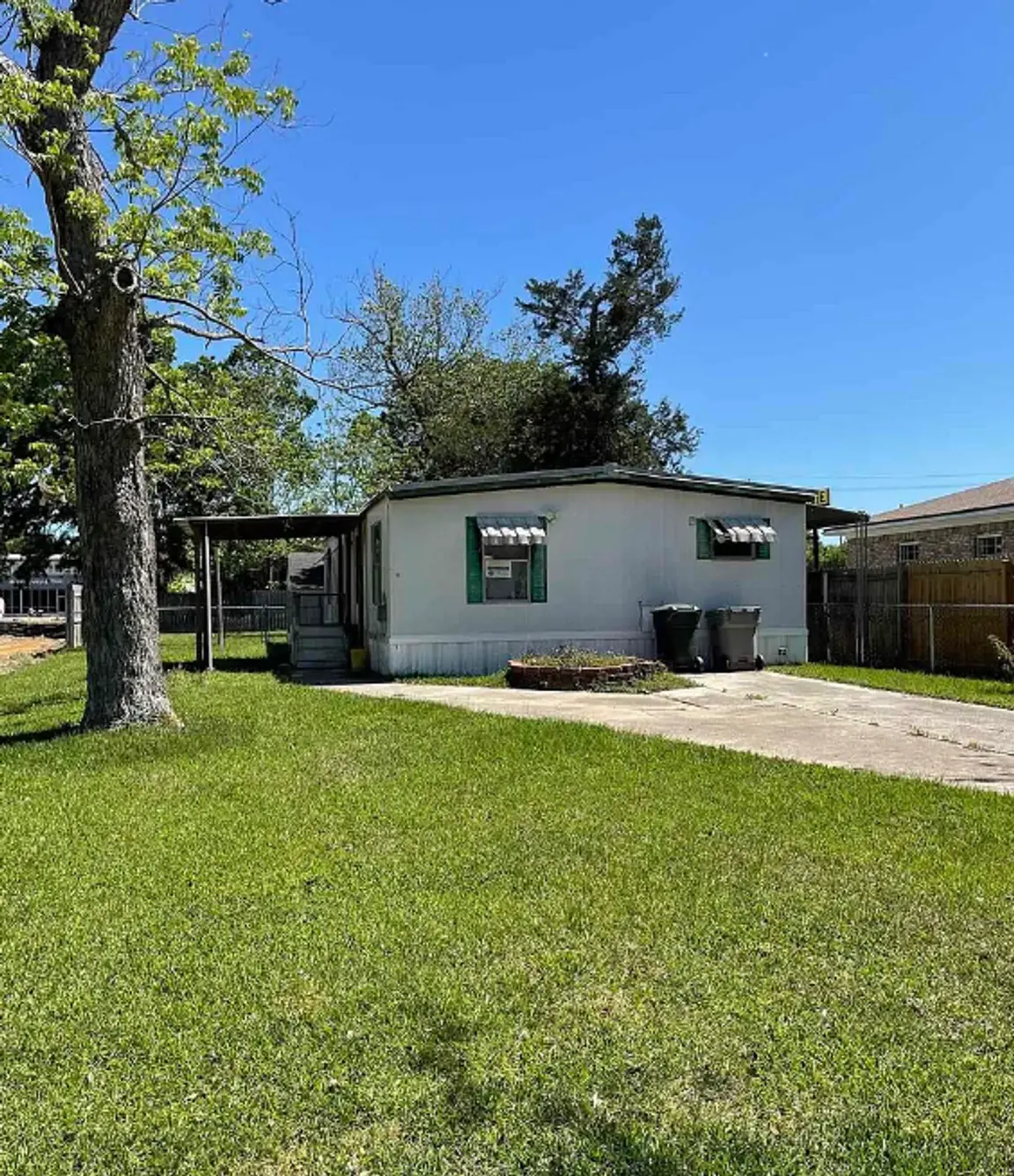
When a parent can no longer live independently, families face one of the hardest financial decisions of their lives. Selling a parent’s house for assisted living in Florida is often the most practical way to cover the cost of professional care. Still, the process involves legal steps, emotional weight, and financial planning that many adult children are not prepared for.
Florida’s assisted living costs have risen steadily over the years. Monthly fees for a memory care unit or skilled nursing facility can reach several thousand dollars, and most families cannot sustain that expense without liquidating assets. The family home is usually the largest asset available.
What Is a Senior Transition Sale and Why Does It Matter in Florida?
A senior transition sale is the sale of a home owned by an older adult moving into a care facility. It is not a typical real estate transaction. The seller may be unable to participate in decisions, legal documents may need to be prepared in advance, and the timing is often driven by care needs rather than market conditions.
Why Florida Has Unique Considerations
Florida has a large senior population, and its elder law landscape reflects that. The state has specific rules around homestead exemptions, Medicaid eligibility, and property transfers that can directly affect how a sale is handled. For example, a home may be considered an exempt asset under Medicaid while the owner intends to return — but that status changes once the property is sold and becomes liquid cash.
Working with a Florida elder law attorney before listing the property is strongly recommended. The decisions made at this stage can affect Medicaid planning for years to come.
The Role of the Family Home in Paying for Care
Most families in the Pensacola and Navarre areas are surprised by how quickly assisted living costs in Florida add up. A one-bedroom assisted living unit in Northwest Florida can range from $3,000 to over $6,000 per month depending on the level of care. Memory care costs even more.
Selling the home is often the only realistic way to fund long-term care without financially burdening adult children. The equity built over decades becomes the resource that pays for dignity in the final chapter of life.
When the Home Is Still in Your Parent’s Name
If your parent still owns the home and retains legal capacity, they can sign the sale documents themselves. If they have lost capacity due to dementia or another condition, you will need legal authority to act on their behalf. That authority typically comes through a power of attorney or a court-appointed guardianship.
Without proper legal authority, a sale cannot move forward. This is one of the most common delays families face — and early planning can avoid it entirely.
How Do You Know When It Is Time to Sell a Parent’s Home for Care Costs?
Recognizing the right moment is difficult when emotions are involved. Adult children often hold off on selling because the home feels connected to their parent’s independence. But waiting too long can create serious financial strain.
Signs the Sale Needs to Happen Soon
Several clear signals suggest it may be time to move forward:
- Your parent has been placed in a memory care unit, assisted living, or skilled nursing facility with no realistic plan to return home
- Monthly care costs already exceed what savings and income can cover
- The home is vacant, and maintenance, insurance, and property taxes create additional monthly costs
- A social worker or elder care advisor has recommended liquidating assets to preserve Medicaid eligibility
Any one of these situations warrants a serious conversation about selling.
Medicaid Asset Planning and the Look-Back Period
Medicaid asset planning is a critical reason not to wait too long. Florida Medicaid has a five-year look-back period for asset transfers. If you gift a home or sell it for less than fair market value within five years of applying for Medicaid, you may face a period of ineligibility for benefits.
Selling the home at fair market value and keeping accurate records of how you spend the proceeds on care can protect your Medicaid application. An elder law attorney can help structure this correctly.
The Emotional Side of the Decision
This decision carries real grief. Selling a parent’s home often feels like closing a chapter of family history — and that emotional weight is real and valid.
At the same time, keeping an empty house that drains resources does not preserve the home’s memory. It only delays the inevitable while reducing the funds available for your parent’s care.
What Are the Steps to Selling a Parent’s House for Assisted Living in Florida?
Selling a parent’s house for assisted living in Florida involves more steps than a standard home sale, but it is manageable when broken down clearly.
Step One: Confirm Legal Authority to Sell
Before any listing or negotiation, confirm who has the legal right to sell the property. If your parents signed a durable power of attorney while they still had capacity, that document gives you the authority to act on their behalf. If no POA exists and your parents cannot sign documents, you may need a court guardianship.
Pull the property deed and review how ownership is recorded. If the home is owned jointly or held in a trust, the process will involve additional documentation.
Step Two: Understand the Financial and Tax Implications
Selling a parent’s home can trigger capital gains considerations depending on how long they owned it and whether they lived there as a primary residence. Florida does not have a state income tax, which simplifies things slightly — but federal capital gains tax may still apply.
In some cases, elder care expenses paid from the sale proceeds may qualify as deductible medical expenses. A tax advisor familiar with elder law can clarify what applies to your family’s situation.
Step Three: Choose the Right Sale Method
Traditional listings through a real estate agent can work, but they come with timelines and conditions that may not fit a family’s care needs. Repairs, staging, showings, and financing contingencies all add complexity.
A cash sale offers a different path. We work directly with families in Pensacola and Navarre who need to sell quickly and cleanly — no repairs, no showings to coordinate around a parent’s move, and no financing delays. After reviewing your property details, we provide a written cash offer for you to consider. We work on your timeline and can often close faster than a traditional sale. For families in this situation, selling a parent’s Florida home for cash to fund assisted living removes the delays and complications that a traditional listing cannot avoid.
Step Four: Manage the Proceeds Responsibly
Once the sale closes, how you handle the money matters as much as the sale itself. If Medicaid is part of the long-term plan, you must spend proceeds on legitimate care-related expenses and document them properly. Transferring funds to family members or spending them on non-care items can affect eligibility.
Keep detailed records of every dollar and consult with your elder law attorney before making any large purchases or transfers.
Frequently Asked Questions
What legal documents do I need before selling a parent’s house in Florida for assisted living?
The most important document is a durable power of attorney signed while your parent still had legal capacity. If that document does not exist, you may need to pursue a court-appointed guardianship before any sale can proceed. A Florida elder law attorney can review your specific situation and confirm which documents are required.
Will selling my parent’s home affect their Medicaid eligibility in Florida?
Selling a parent’s home at fair market value does not automatically disqualify them from Medicaid — but how the proceeds are used matters. Florida Medicaid requires that proceeds be spent on qualified care expenses, and any improper transfers within the five-year look-back period can create a period of ineligibility. Careful documentation and guidance from an elder law attorney are essential during this stage.
How does selling a parent’s house for assisted living in Florida differ from a regular home sale?
Selling a parent’s house for assisted living involves additional legal, tax, and Medicaid planning steps that a standard sale does not require. You must confirm legal authority, manage proceeds carefully, and follow a timeline driven by care needs rather than market timing. Working with professionals who understand elder transitions — including a real estate buyer experienced with these sales — makes the process significantly smoother.
