
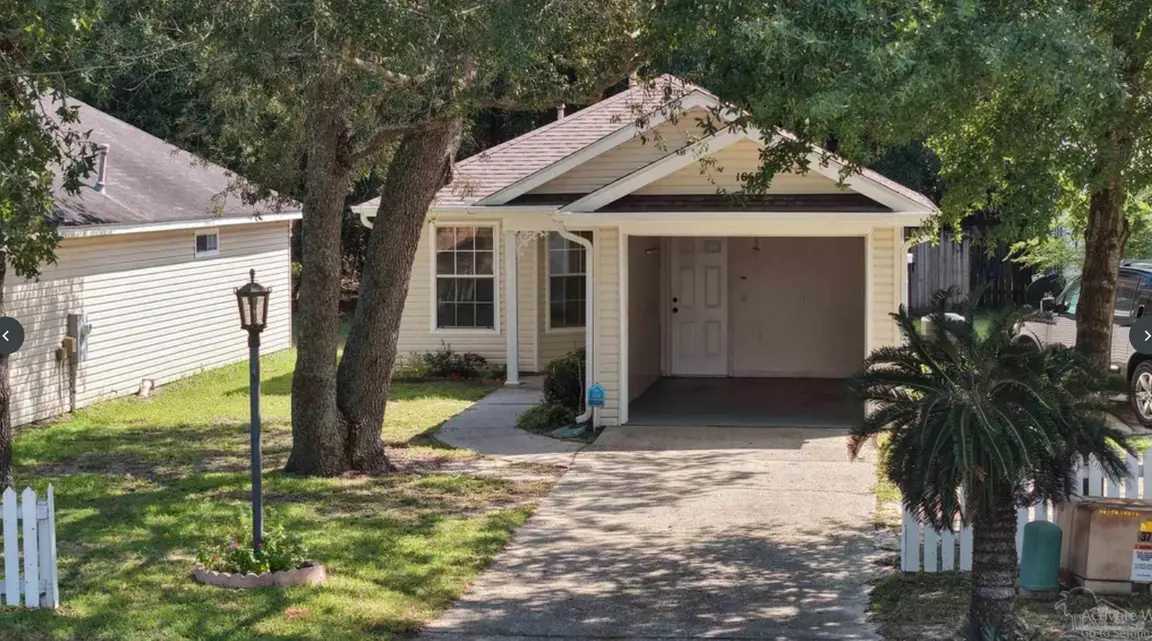
Selling a house with termite damage in Pensacola, FL is one of the most frustrating situations a homeowner can face. The deal feels close, the buyer seems ready — and then a Wood Destroying Organism report lands on the table and changes everything.
A WDO report is a formal inspection document completed by a licensed pest control professional. It identifies evidence of wood-destroying insects, fungi, and other organisms that can compromise a home’s structural integrity. In Florida, this report is almost always required for a conventional home sale, and lenders often will not approve financing without one. Understanding what inspectors find — and what that means for your sale — puts you in a much stronger position when deciding your next steps.
What Does a WDO Report Include and Why Do Buyers Care So Much?
A wood-destroying organism inspection is more thorough than most sellers expect. The inspector is not just checking for live termites. They are documenting a wide range of organisms and conditions that can silently destroy the wood inside a home over months or years.
What Inspectors Are Required to Document
Licensed inspectors in Florida follow guidelines set by the Florida Department of Agriculture and Consumer Services. During the inspection, they look for:
- Live wood-destroying insects, including subterranean and drywood termites
- Previous termite activity, even if no live insects are present
- Wood-decaying fungi, commonly called wood rot
- Damage caused by wood-boring beetles or carpenter ants
- Conditions conducive to future infestation, such as wood-to-soil contact or moisture intrusion
The completed termite inspection report lists each finding along with its location in the home. It also notes whether damage is visible or whether further inspection is needed behind walls or under flooring.
Why Buyers and Lenders Take the Report Seriously
Buyers care because termite damage and fungal decay can be invisible from the surface. A home that looks clean and well-maintained during a showing may have serious structural problems hiding inside walls, under floors, or in the attic framing.
Lenders care because the home is their collateral. If the property has significant damage, its actual market value may be far lower than the agreed sale price. Most conventional, VA, and FHA loans require a clean WDO clearance letter or documentation of completed repairs before they will fund the mortgage.
The Pest Inspection Contingency Explained
Most Florida purchase agreements include a pest inspection contingency. This clause gives buyers the right to request repairs or cancel the contract if the WDO report reveals unacceptable findings. When a buyer exercises this contingency, the seller must choose: repair the damage, renegotiate the price, or lose the deal entirely.
Which Types of Termite Damage Show Up Most Often in Pensacola Homes?
Pensacola sits in a region with some of the highest termite pressure in the country. The warm, humid Gulf Coast climate creates ideal conditions for multiple species of wood-destroying insects year-round. Homes in Pensacola and Navarre deal with these problems constantly — and many sellers are caught off guard when inspection results come back.
Subterranean Termites and the Damage They Leave Behind
Subterranean termite populations in Florida rank among the most destructive forces in residential real estate across the Gulf Coast. These insects live underground in large colonies and build mud tubes to travel between the soil and the wood inside your home. They prefer to eat the soft wood grain from the inside out — so damage can be severe before it becomes visible on the surface.
Common signs inspectors flag include collapsed or hollow-sounding wood in floor joists, damaged sill plates near the foundation, and mud tubes running along concrete blocks or interior walls. Because subterranean termites can compromise load-bearing structures, lenders take this finding seriously.
Drywood Termites and Their Distinctive Signature
Drywood termites do not require contact with soil. They infest wood directly and are commonly found in attic framing, window frames, door casings, and wood siding. Their presence often shows up as small piles of frass — a fine, wood-colored pellet material they push out of kick-out holes.
Unlike subterranean colonies, drywood infestations may be more localized — but they can still cause enough damage to raise red flags on a termite inspection report. In older Pensacola homes, inspectors often find drywood termite activity in areas that have never been treated or inspected.
Wood Rot and Fungal Decay as WDO Findings
WDO reports also document wood rot caused by moisture and fungal growth. Florida’s humidity creates conditions where exposed or poorly ventilated wood can begin to decay even without insect activity. Inspectors commonly find fungal damage in bathroom subfloors, around window sills, under exterior doors, and in crawl spaces.
Fungal damage can be just as deal-breaking as termite damage in a lender’s eyes — especially when it affects structural members.
How Does a Failed WDO Report Change the Sale Process?
When a WDO report comes back with significant findings, the path to closing a traditional sale can quickly get complicated. The extent of that complication depends on what was found, where it is located, and how far along the sale process has progressed.
What Sellers Are Typically Asked to Do
After a negative report, buyers typically submit a repair request or ask for a price reduction. If the damage is limited and the remediation cost is clear, many deals survive with negotiation. However, when damage is widespread or affects structural elements, repair estimates can reach tens of thousands of dollars.
Sellers are usually asked to hire a licensed pest control company for treatment, complete any required wood repairs with a licensed contractor, and then obtain a new WDO clearance letter before closing. All of this takes time and money many sellers had not planned for.
Why Some Deals Fall Apart Completely
Even when sellers are willing to make repairs, deals sometimes collapse. The buyer may lose confidence in the property after seeing the report. Their lender may require repairs before funding — creating a timing problem. Or the inspection may reveal damage in areas that are difficult and expensive to access.
Selling a house with termite damage through a traditional sale requires patience, money, and the right buyers. Not every seller can meet those demands.
Selling As-Is When Repairs Are Not an Option
Some homeowners need to sell without making repairs. This is common for people dealing with inherited properties, financial hardship, or homes with years of deferred maintenance. In those situations, selling a Pensacola home with termite damage or a failed WDO report to a cash buyer is often the most practical path forward.
We work directly with homeowners in Pensacola and Navarre who are facing difficult sale situations. We buy homes regardless of termite damage, wood rot, or failed WDO reports — no repairs required, and we work on a timeline that fits your situation.
Frequently Asked Questions
Does termite damage always have to be repaired before selling a house in Pensacola, FL?
Repairs are required when selling through a traditional financed sale because lenders will not fund a mortgage on a home with significant structural damage. However, when you sell to a cash buyer who purchases properties as-is, repairs are not required. We evaluate the home in its current condition and make our offer based on what is actually there.
What is the difference between a WDO report and a standard home inspection?
A standard home inspection covers the home’s overall condition — including systems like plumbing, electrical, and HVAC. A wood-destroying organism inspection is a separate, specialized report focused exclusively on termites, wood-boring insects, fungi, and related damage. In Florida, a licensed pest control operator completes the WDO report, not a general home inspector.
Can you sell a house with termite damage in Pensacola, FL without fixing anything first?
Selling a house with termite damage without repairs is possible when you work outside the traditional financing system. Cash buyers are not bound by lender requirements — which means the property’s WDO findings do not prevent the sale from moving forward. We assess the home as-is and make an offer based on its current condition.
